


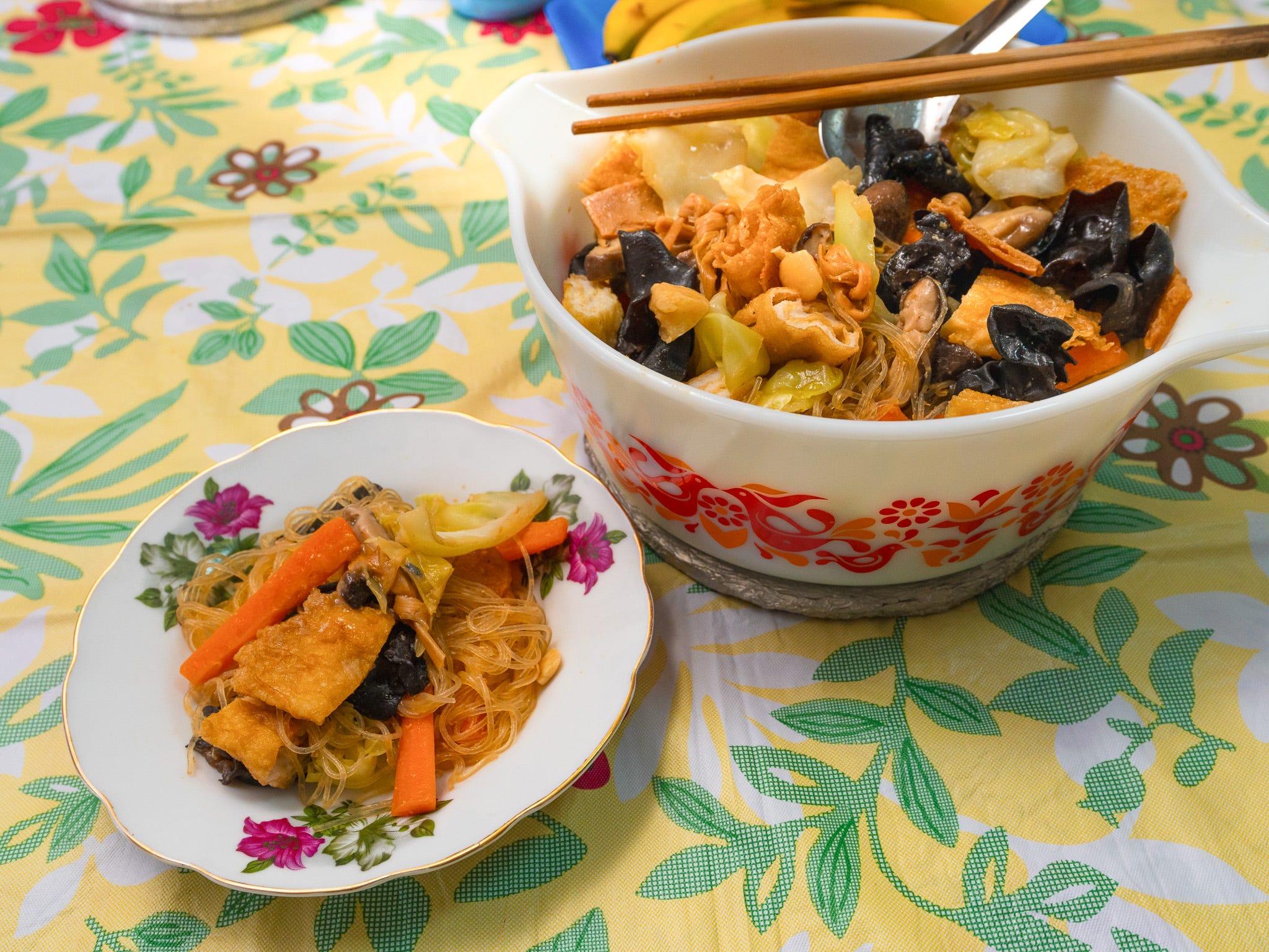
it’s been a while since I last learnt something from my nai nai. the previous time, she walk me through the painstaking process of making ngoh hiang, so this time I requested for something slightly simpler, but still uniquely hers.
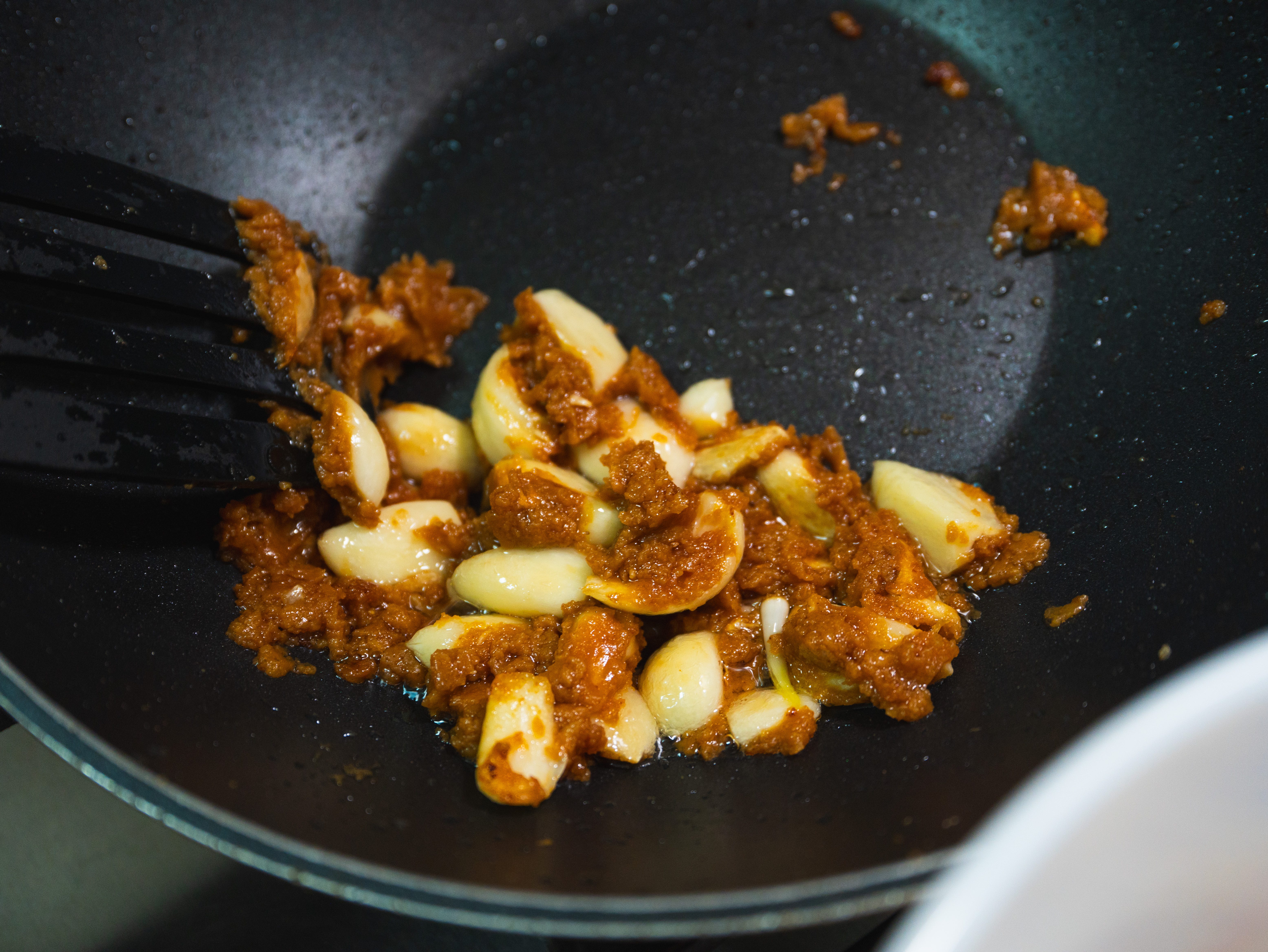
recently, she discovered that miso paste works as a substitute for tau cheo (fermented yellow soybeans), which she now finds a little too salty for her liking. Since miso has a similar flavour profile, I was honestly quite impressed by her creativity and willingness to adapt. It may not be “authentic” in the traditional sense, but it’s authentically hers.
she still keeps some classic ingredients in the dish, like kim cham (dried lily buds), tau kee (dried beancurd strips), and glass noodles. beyond that, she mentions that it’s flexible, you can add your favourite vegetables, though staples like cabbage, mushrooms, and carrots are usually included.
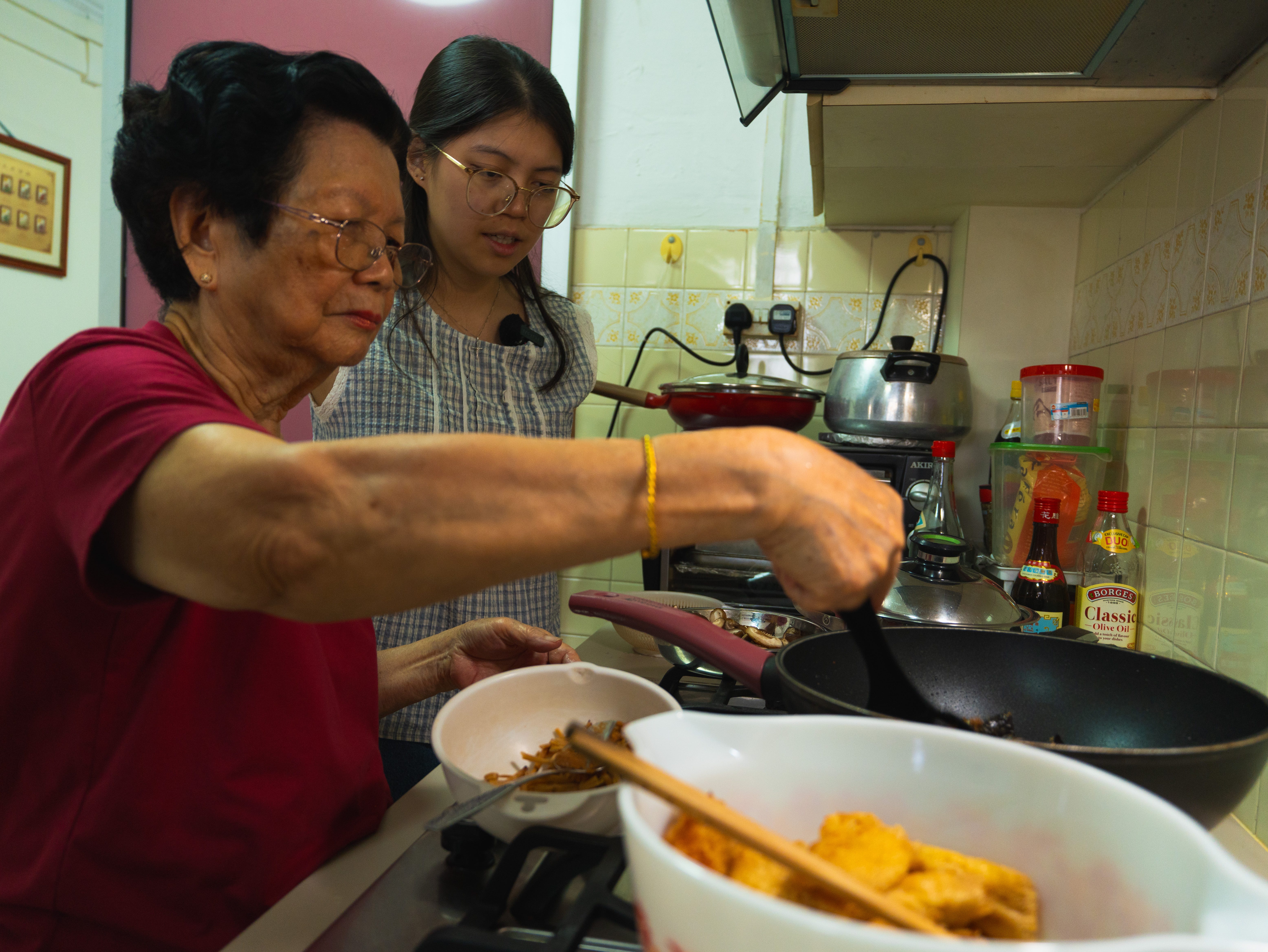
I had so much fun spending time with my grandma in the kitchen, getting a glimpse of all the behind-the-scenes moments that go into the meals she cooks for us. It was also a gentle reminder that she’s growing older, and not to take these moments for granted, but to spend more time with her, especially in the kitchen!
if you have any other (nai nai) recipes that you are curious about, do drop them down in the comments below!

 Tiktok failed to load.
Enable 3rd party cookies or use another browser
get ingredient for this recipe here!: kim cham , fried tau kee
if you are looking for more traditional recipes, check out the following:
Nasi Lemak Kukus

by now, you’re probably bored of seeing Chef Azfar make Nasi Lemak for the 1092839th time on our videos, but STOPPPP - we promise you it’s different this time!
Traditional Chee Cheong Fun

if you live in Singapore, you probably have a “default” breakfast. For most, it’s kaya toast with soft-boiled eggs. for me, it’s almost always Chee Cheong Fun.
Thunder Tea Rice (擂茶饭)

Thunder Tea Rice (擂茶饭) is a traditional, plant-forward Hakka recipe that directly translates to ‘pounded tea rice’. Aptly named, the soul of the dish is the nutritious tea-based broth that fills this bowl of assorted vegetables and grains with a hearty, delicious gravy. In her recipe,