


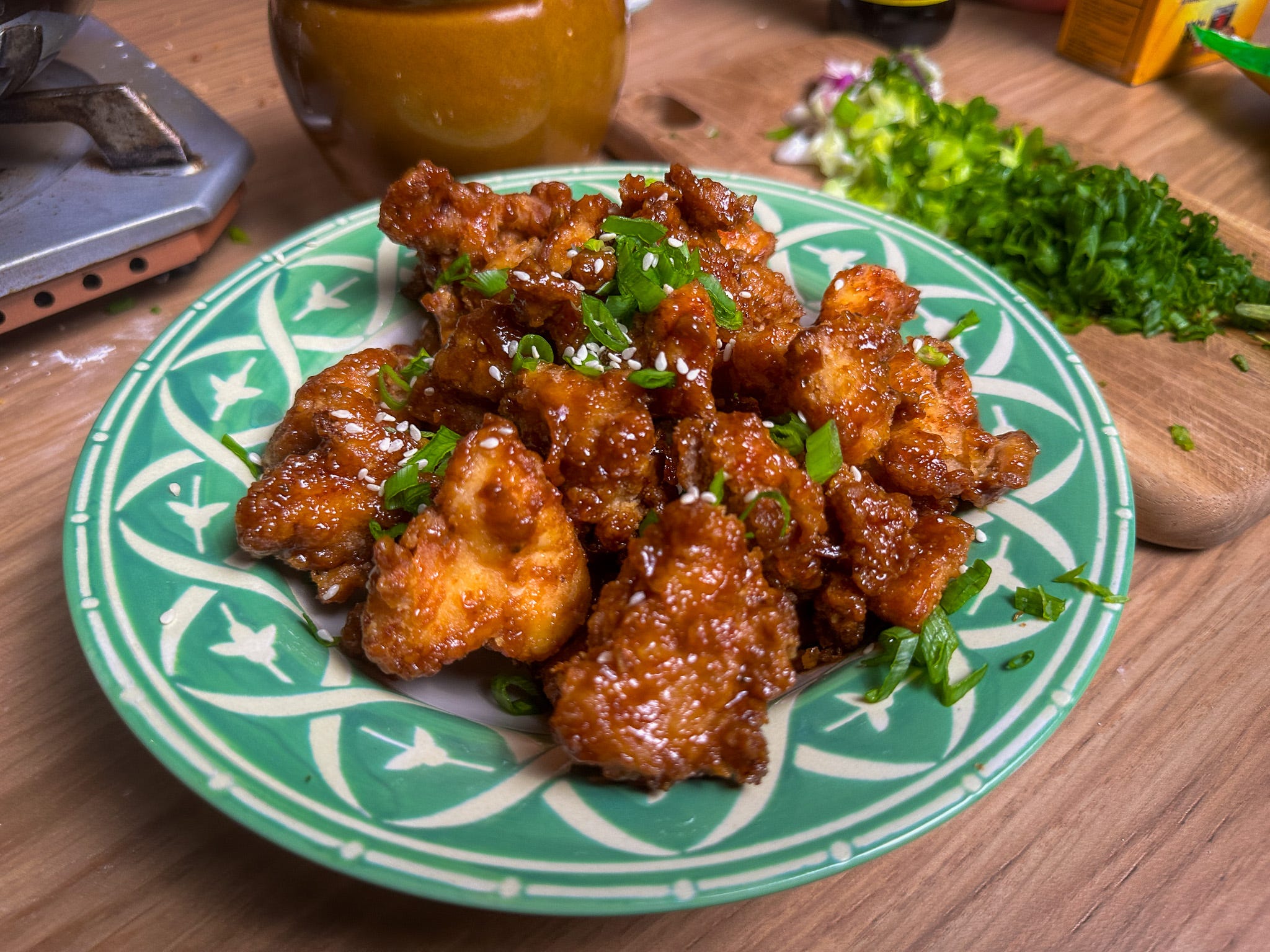
MARMITE HAS DISAPPEARED FROM SINGAPORE!
Not “I went to three supermarkets and couldn’t find it” disappeared. It’s ACTUALLY discontinued.
Unilever announced in July that Marmite would no longer be distributed in Singapore, citing ongoing supply challenges. Supermarkets are trying to bring in alternative overseas stocks, while restaurants are scrambling to find replacements. Some are even testing Vegemite.
Which got me thinking: why do we care so much about a British yeast spread?It’s because somewhere along the way, Marmite stopped being just a British thing and became weirdly Singaporean.
Marmite was invented in England in 1902, made from concentrated yeast extract, and originally marketed as a nutritious food because of its B vitamins. But it was already being sold in Singapore during the colonial period. I found a 1937 Straits Times advertisement telling people to add a teaspoon of Marmite to soup, meat pies and “any other meat dish”. By the 1950s, it was being advertised here as a family food and something to add to everyday meals.
So somewhere between British colonial food culture, Chinese households and Singapore’s general talent for taking foreign ingredients and doing our own thing, Marmite found a second life here.
And this is where things get interesting. We didn’t just put it on toast.
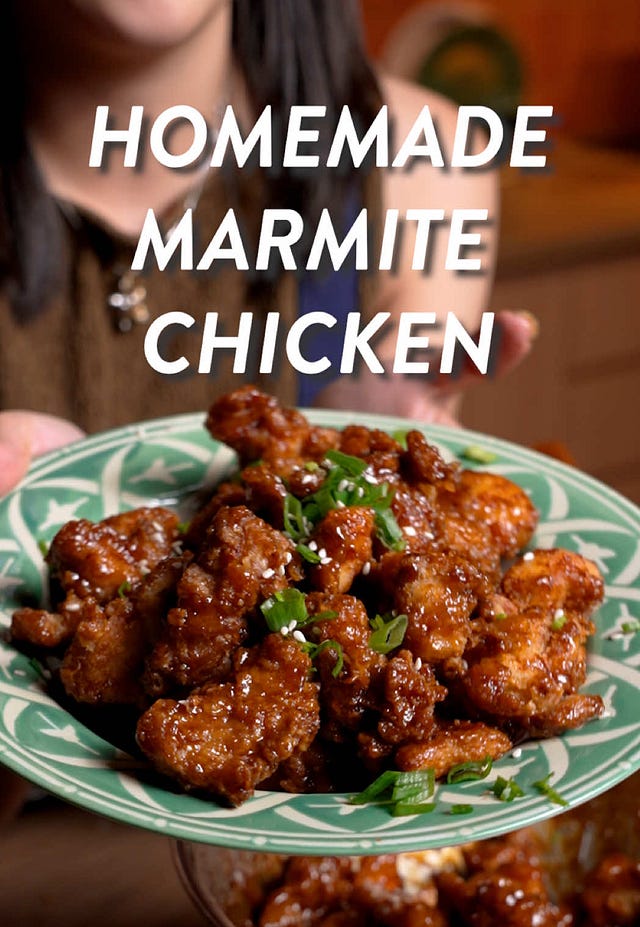
People in this part of the world started stirring it into plain congee or rice for an easy hit of savoury flavour, while Chinese restaurants and zi char stalls turned it into sticky, sweet-savoury sauces for chicken, pork ribs and other fried things. Marmite chicken eventually became such a familiar local dish that there are now restaurant recipes specifically built around that combination of salty yeast extract and sugary glaze.
But then I tried to find out who actually invented Marmite chicken, and... NOTHING.
No famous chef. No eureka moment. No “Marmite Chicken was created in 1987 by Uncle Lim of Somewhere Seafood Restaurant”.
It seems to have emerged organically from Malaysian and Singaporean Chinese cooking, which honestly feels quite appropriate. Take a British pantry ingredient, throw it into a Chinese-style fried chicken dish, add sugar until it becomes addictive and suddenly you’ve got something that feels like it has always belonged here.
Now that Marmite is disappearing, restaurants are having to confront the slightly ridiculous reality that an imported British yeast extract has become important enough to threaten an entire category of local dishes. KENG ENG KEE, for example, has had Marmite chicken on its menu for more than 20 years and is now testing Vegemite as a replacement. Other restaurants are looking for alternative suppliers or considering taking their Marmite dishes off the menu altogether.
So I started wondering, are we actually okay with Marmite disappearing?
Well, I wasn’t.
And rather than paying some insane online resale price for a tiny jar, I thought; “how hard can it be to make Marmite?”
I found a recipe by chef Alex Bond that makes a Marmite-like spread using stale sourdough, brewer’s yeast and sugar. The bread is toasted until very brown, soaked in yeast and water, fermented, squeezed out and then reduced. And when I say reduced, I mean 4 litres of liquid becomes about 200ml. The final reduction alone takes a couple of hours.


Which was when I realised something slightly embarrassing. I had never once thought about how Marmite was actually made. It had always just been there — sitting in a little jar, ready to be aggressively spread onto toast or dumped into a Marmite chicken.
After spending hours watching a giant pot of fermented bread water slowly disappear into a dark, sticky, deeply savoury paste, I started appreciating that little jar a lot more, especially when I used my painstakingly-homemade Marmite to make Marmite chicken.
Maybe the supply shortage is annoying. Maybe Vegemite will eventually save us. Or maybe Singapore’s collective Marmite addiction will force us all to learn how to make our own.
Either way, I now have a jar in my fridge, and I am guarding it with my life.
 Tiktok failed to load.
Enable 3rd party cookies or use another browser
if you are looking for more inspirations, check out the following recipes below:
Ayam Penyet - SMASHINGLY delicious fried chicken

we’re huge fans of fried chicken, in ALL FORMS. fortunately in Southeast Asia, there exists an outstanding variety of fried chicken dishes including; Thai Gai Tod, Malay-style Ayam Goreng Berempah, Har Cheong Gai, Vietnamese Fish Sauce Wings, Jollibee
Chef Kenneth's Chicken Rice

when I tell you this might be the best chicken rice I’ve ever had, I am seriously not exaggerating! To this day, my colleagues and I are still raving about it in the office.
