


Before kale smoothies, quinoa bowls, and overpriced salads made eating your greens look like a lifestyle, the Malay world already had its own version of fresh. We called it ulam (plural: ulam-ulaman), an assortment of leaves, shoots, herbs, fruit and other edible plants, usually eaten raw alongside rice, sambal and other dishes.
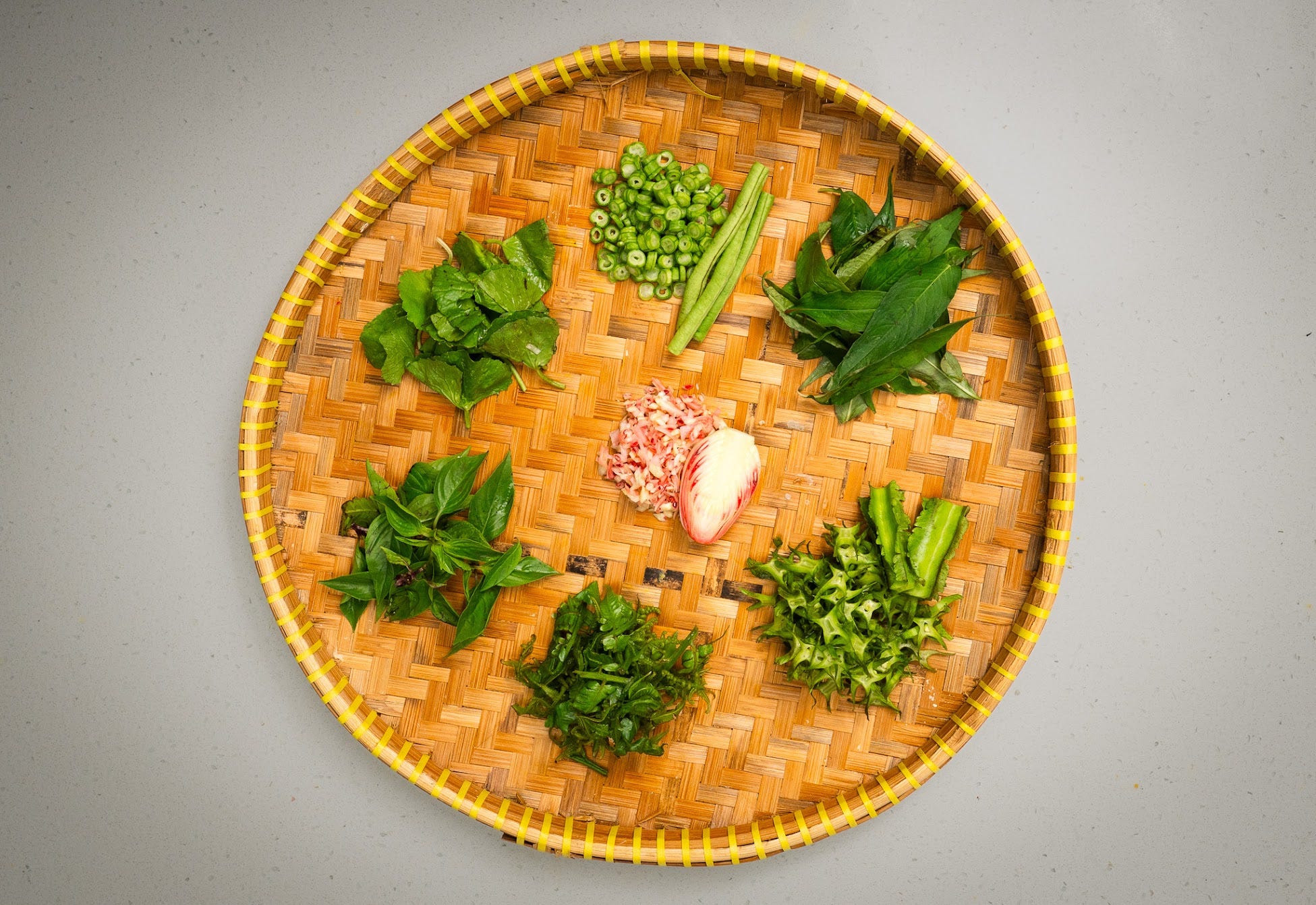
But somewhere between the disappearance of our kampongs and the rise of modern supermarket culture, many of these greens became less familiar to the people who grew up eating them. Today, we might recognise kale from a wellness café menu, but struggle to identify the edible shoots growing in our own tropical landscape. So, what exactly is ulam? And how did something so central to the Malay food tradition become something we now have to rediscover?
More than just a Malay ‘salad’
In The Food of Singapore Malays: Gastronomic Travels Through the Archipelago, food researcher Khir Johari describes ulam as a broad category of shoots, fruits, herbs and foliage plucked from plants and eaten raw. Ulam isn’t one particular dish, nor is it simply the Malay equivalent of a Western salad. It is an entire way of eating and understanding plants. That includes cultivated herbs, edible leaves, young shoots and seasonal produce gathered from the surrounding environment. Depending on the ingredient, ulam can be eaten raw, blanched or prepared in other ways.
Traditionally, these greens would be eaten alongside rice and other dishes, often with sambal belacan to bring out their flavours. Some are peppery, some citrusy, some bitter or astringent, while others have a fragrance unlike anything in a standard salad mix. Together, they provide freshness and contrast to richer, heavier dishes.
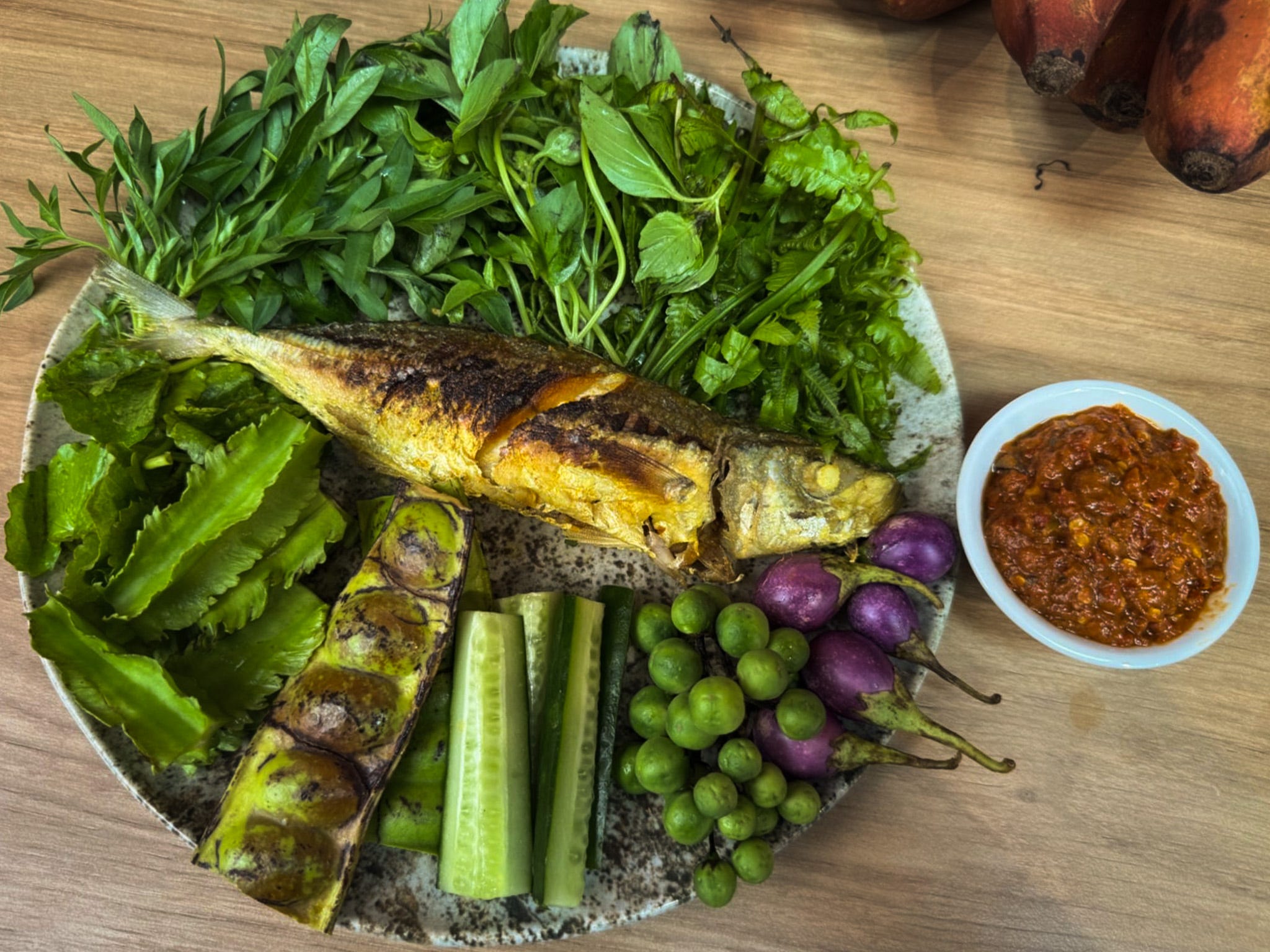
As Khir explores in his writing on foraging in Malay cuisine, gathering food from forests, coastlines and other natural habitats was once an ordinary part of life. The Malay word meramu refers to gathering or collecting materials, while ramuan describes the ingredients gathered for use. These words hint at a relationship with food that extends beyond the act of shopping: knowing what grows around you, when to harvest it, and how to use it.
And honestly, isn’t that what everyone is trying to get back to now? Eating seasonally, sourcing locally and making better use of what grows around us. But these are hardly new ideas for the Malay world. They are practices our ancestors already understood, long before we started putting the word “sustainable” on restaurant menus.
Getting to know your ulam
There are hundreds of edible plants associated with ulam traditions across the Malay Archipelago. In Malay households, some ‘ulam’ are also consumed for their medicinal properties, blurring the line between food and medicine. Here are some examples:
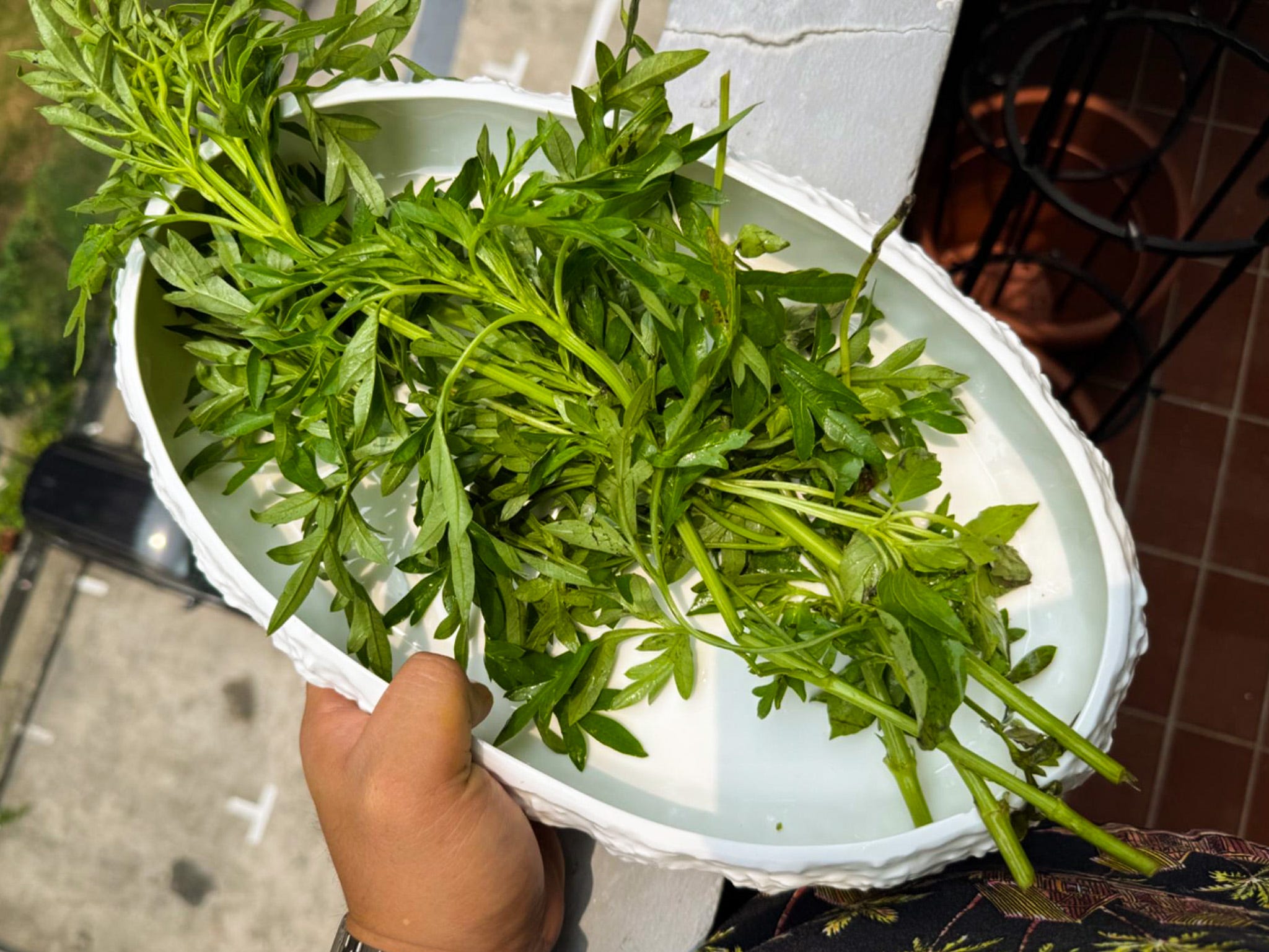
Ulam raja (king’s salad) is probably one of the more recognisable varieties, with delicate, feathery leaves and a distinctive herbal, citrusy flavour that some people compare to green mango. It is a rich source of antioxidants.
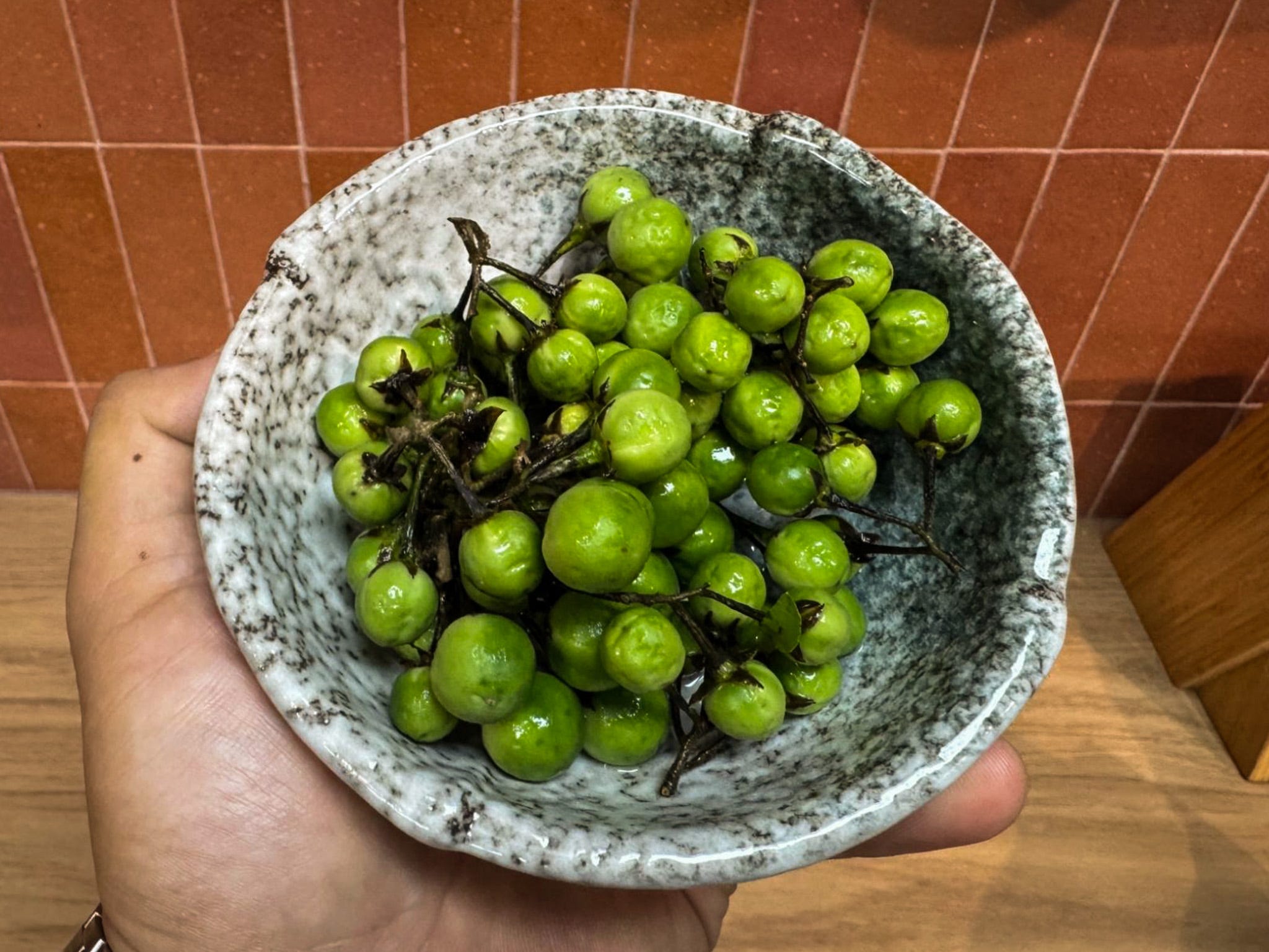
Terung pipit (pea eggplant) has a distinct bitter and slightly peppery taste and adds a crunchy texture to dishes. It is also often cooked in Thai green curry.
Kemangi (lemon basil) with a peppery, clove-like aroma that cuts through rich and savoury foods. It contains aromatic plant compounds and contributes small amounts of vitamins and minerals to the diet.
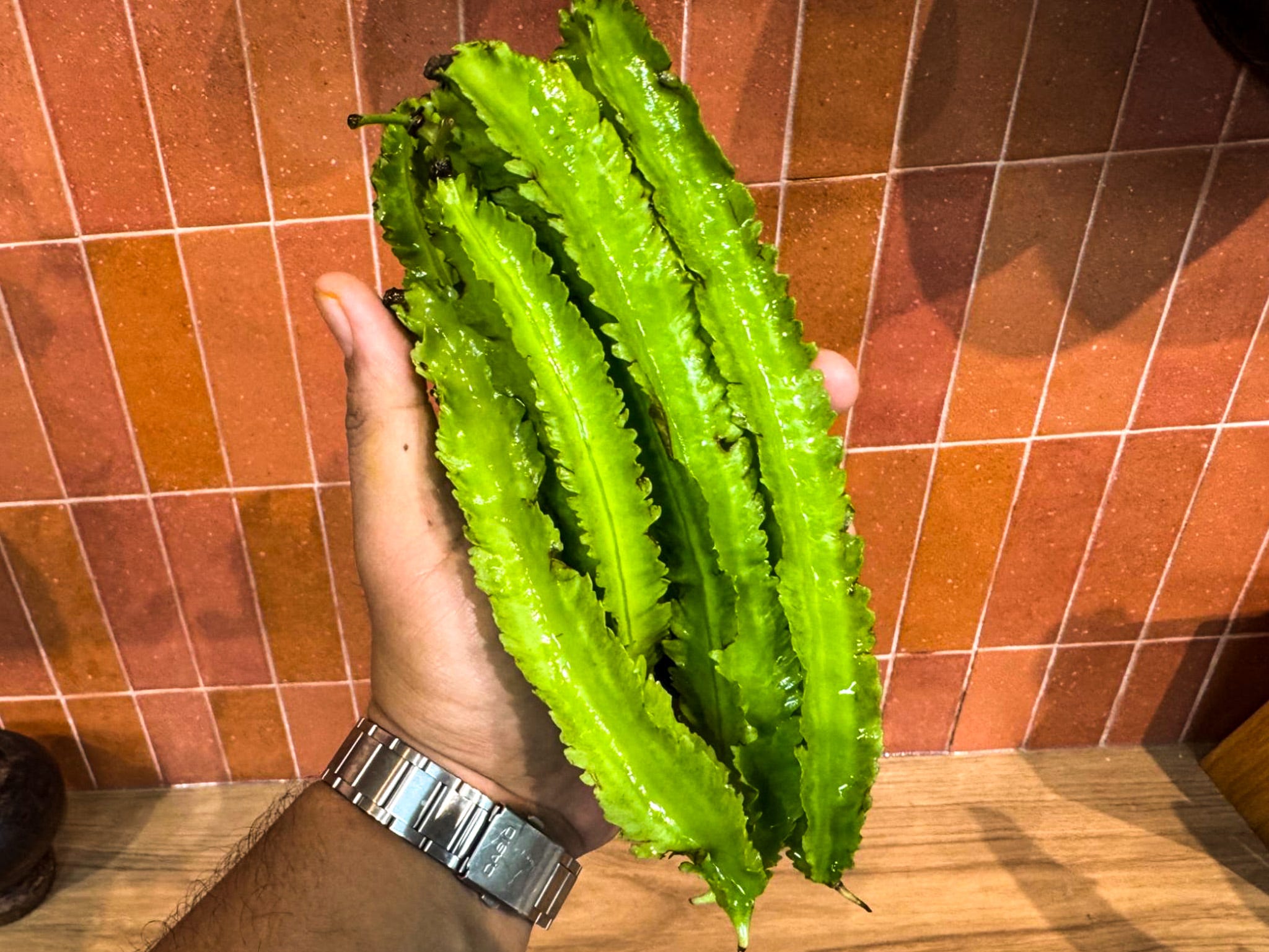
Kacang Botol (four-angled beans) are crunchy, slightly grassy and often sliced raw into ulam platters. They provide fibre, plant protein and various micronutrients, making them a useful addition to a balanced meal.
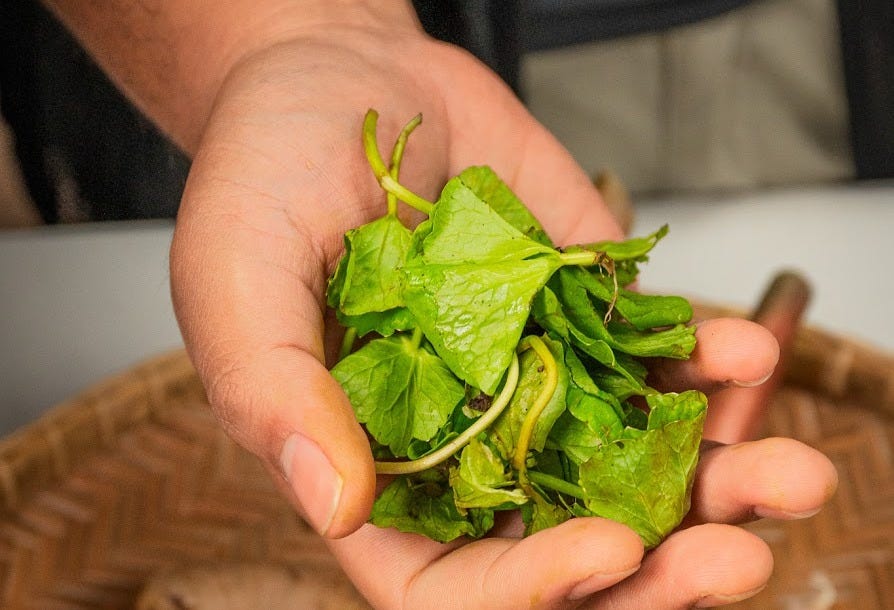
Pegaga (Asiatic Pennywort) has rounded leaves and a fresh, green taste with a slightly bitter edge. It supports brain, skin, and gut health.
From the kampong backyard to the market
For generations, ulam came from wherever people could find it: the garden behind the house, the edges of a kampong, forest clearings and nearby waterways. Knowledge of which leaves to pick, which shoots were tender enough to eat and which plants needed particular preparation was passed down through everyday life, rather than taught in a classroom.
Khir’s account of foraging in Malay cuisine reminds us that this wasn’t merely a quaint rural pastime. It was part of how people fed themselves, responding to what the local environment provided and respecting its seasons. Foraging also required discernment: you needed to know what was edible, when it was ready and how much could be harvested without exhausting the source.
Singapore’s transformation from a landscape of kampongs, gardens and coastal settlements into a highly urbanised city changed that relationship. As habitats disappeared and families moved into flats, the places where people once gathered their greens became harder to access. Commercial food systems made ingredients easier to purchase, but they also distanced people from the knowledge behind their food.


Today, you can still find varieties of ulam at markets specialising in Nusantara ingredients, including Geylang Serai Market. However, the range is nowhere near what the wider region’s plant diversity might suggest. Many ingredients are fragile, seasonal and difficult to cultivate or transport at scale. If fewer people recognise them, fewer people ask for them. If fewer people ask, suppliers have little reason to stock them and demand becomes harder to build.
Have we forgotten how to eat our own greens?
There is something quite ironic about how we talk about healthy eating today. We might happily spend money on imported salad greens, smoothie bowls and wellness products, yet overlook the edible plants that have long been part of our own culinary landscape. Ulam can be dismissed as old-fashioned, too kampung or simply unfamiliar, while processed convenience foods and meat-centred meals become increasingly normalised.
There is a worthwhile conversation to be had about how we define healthy eating, especially when traditional Malay foods are so often reduced to stereotypes about being oily, rich or unhealthy. Malay cuisine is not just rendang, nasi lemak and fried snacks. It also contains a wealth of herbs, vegetables, fermented foods and other ingredients that deserve to be part of the conversation. Reconnecting with ulam won’t solve every health problem, but it could help us reclaim a more varied, plant-rich way of eating while challenging the idea that nutritious food has to come from somewhere else.
Bringing ulam back to the table
Thankfully, the story isn’t all sad. The tradition of eating ulam has seen a revival over the past decade. For example, Nasi Ulam (rice mixed with finely sliced herbs and other flavourful ingredients) has been getting attention. At Amoy Street Food Centre, The Little Red Hen has served Malaysian-style nasi ulam sets, while contemporary restaurant Fiz has also brought ulam and regional ingredients into its modern interpretation of Nusantara cuisine.
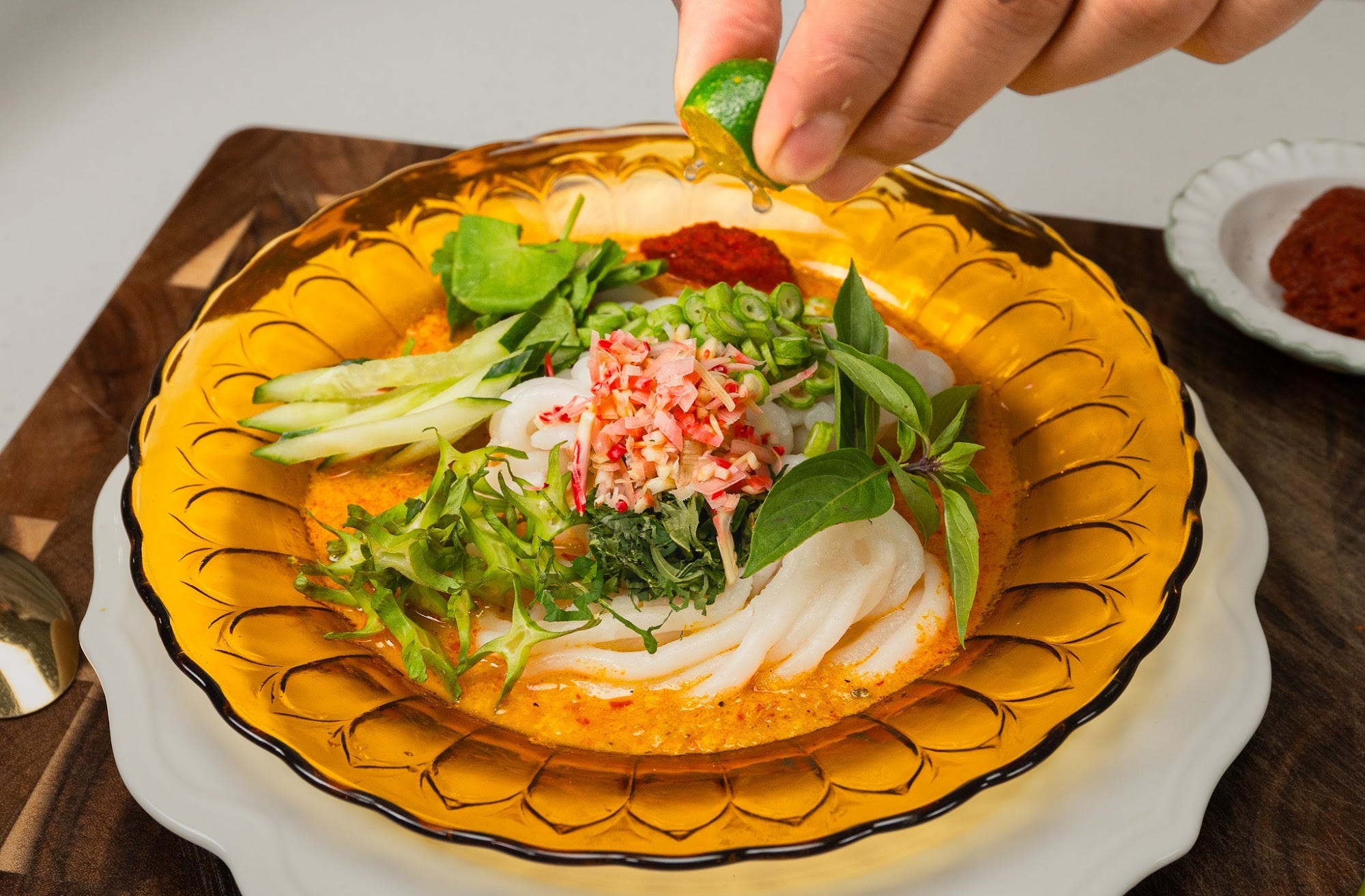

Beyond restaurants, passionate individuals are finding ways to bring the knowledge back into the community. Initiatives such as Dapur Cahaya (@cahayaa.kitchen) and Sendok Rakyat (@sendokrakyat) have conducted nasi ulam workshops to introduce participants to different herbs, their flavours and the traditions behind them.
Keeping the practice of eating ulam alive is about more than adding a few leaves to our plate. It is about preserving the knowledge of what grows around us, how to identify and prepare these plants, and how our ancestors made use of the land to feed themselves. As Singapore becomes more urbanised and our diets increasingly shaped by convenience, that knowledge can easily disappear between generations.
Ulam also reminds us that eating well doesn’t always mean reaching for imported superfoods or expensive wellness ingredients. Sometimes, it means returning to the familiar greens that have nourished our communities for generations. By continuing to grow, prepare, share and eat ulam, we keep a living part of our food heritage alive.
If we’re already looking towards local, sustainable and healthier ways of eating, why not start with the greens that have been growing here all along? What would it take for ulam to become as familiar to the next generation as kale is to a wellness cafe? What can we do, in our own kitchens and communities, to make sure we don’t forget how to eat our own greens?