


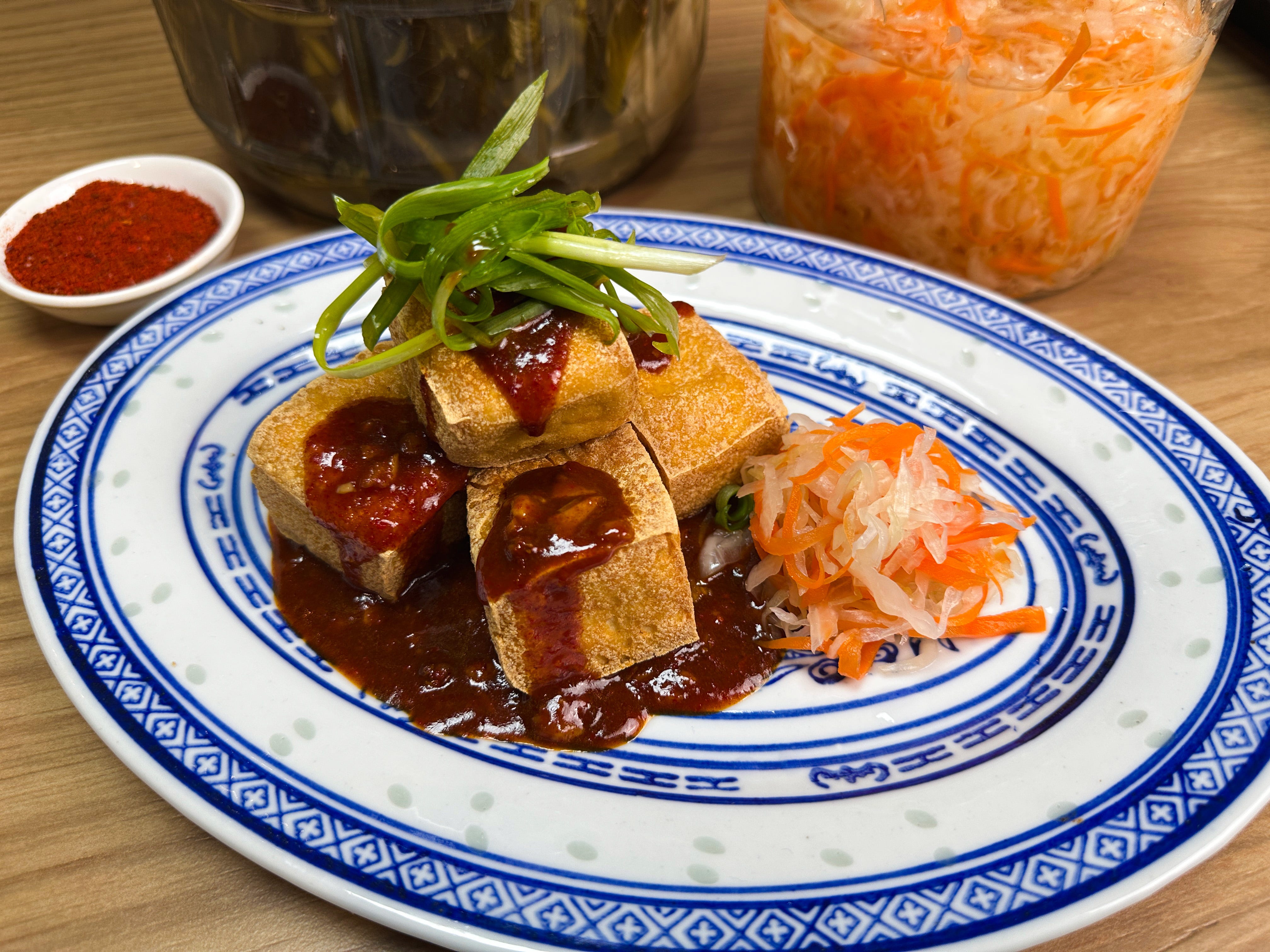
There are some foods you smell before you see. Durian is one. Belachan is another. And then there is 臭豆腐 — chòu dòufu, or stinky tofu — which belongs in a very special category of food that makes you wonder whether someone nearby has committed a serious rubbish disposal offence.


My first proper encounter with stinky tofu was about 12 years ago, in Taipei, Taiwan. I was wandering around a night market, doing what you are supposed to do in Taiwan: eating everything that looked remotely interesting and pretending I still had space in my stomach. Then I smelled it. Not “hmm, something is fermenting” kind of smell. I mean WHAT THE HELL IS THAT. At that point, I had already seen stinky tofu being sold at pasar malams back home in Singapore, but I usually avoided it. The smell alone was enough to make me change direction. But being in Taiwan, surrounded by night-market smoke, fried food and the general chaos of the evening, I figured I should probably try it where the dish had become such an iconic part of the street-food culture.
And I am very glad I did, because the funny thing about stinky tofu is that the smell and the taste are having two completely different conversations. Your nose is screaming, bro, jangan, while your mouth is going, actually… can I have another one? The tofu is usually fried until the exterior becomes crisp and almost crackly, while the inside stays soft and creamy, with this salty, savoury, fermented umami that is somehow delicious despite the fact that your nose is telling you to call NEA. Taiwan is particularly famous for its night-market versions, although stinky tofu itself isn’t originally Taiwanese. The dish has older Chinese roots, while Taiwan developed its own versions and turned fried stinky tofu into one of its most recognisable street foods.
For the next ten years, I was perfectly happy eating the stuff whenever I found myself in Taiwan and pretending the versions at Singapore pasar malams didn’t exist. Then recently, I came across Sharmin’s content — @mintydollz_ — where she tried stinky tofu at a night-market stall in Yiwu, China. What caught my attention was that she had apparently gone about ten years without eating it because she struggled to find a halal or Muslim-owned stinky tofu stall in Singapore. Watching her finally get to eat it again reminded me of my own obsession with the dish, and naturally I had the extremely sensible thought of: “Eh, why don’t I just make it?”
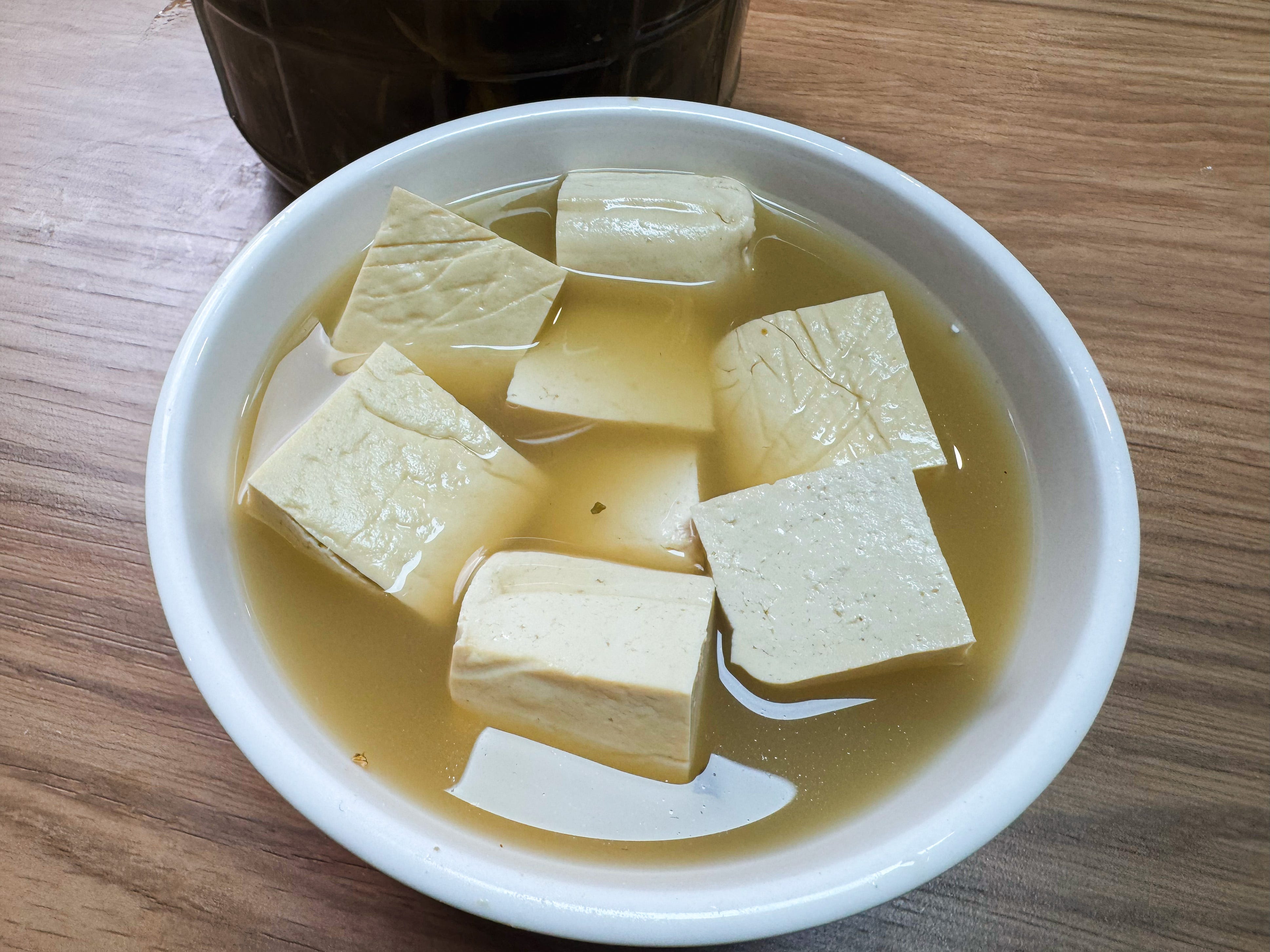
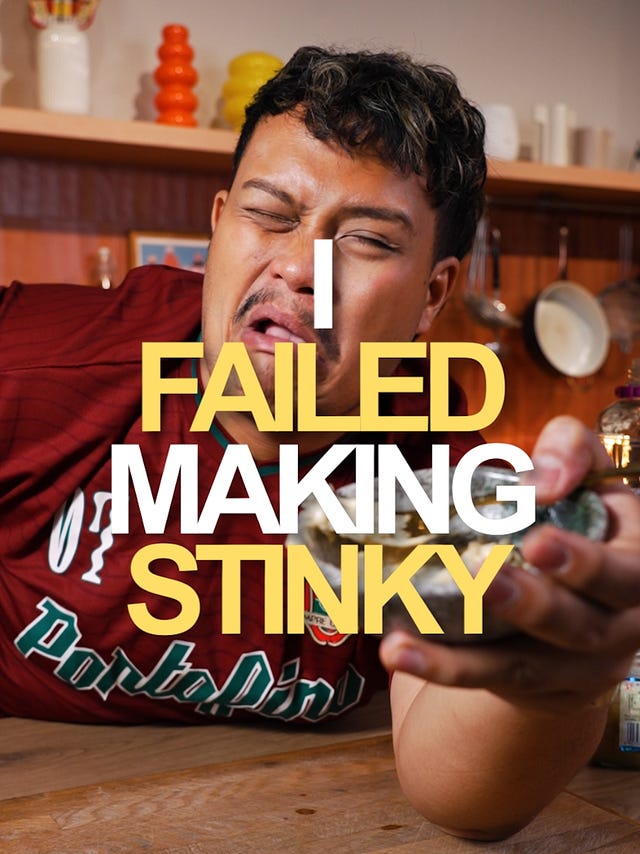
My first attempt was very much the lazy man’s version. I found an “express” method that basically involved soaking firm tofu in a brine made from mashed fermented tofu, or fǔrǔ, along with some of its liquid and other seasonings. On paper, it made sense. Fermented tofu is already funky, so surely if I mash it up, dunk some tofu inside and leave it for a while, I should get something resembling stinky tofu. Unfortunately, the result tasted like… tofu. It was savoury and slightly fermented, but the aroma was nowhere near the aggressively funky, garbage-adjacent tofu I remembered from Taiwanese night markets. It wasn’t bad; it just wasn’t stinky tofu. I was unsatisfied, unsettled, and honestly a little offended that I had gone through all that effort only to make tofu that smelled like fermented bean curd.
So I started researching how the real stuff is made, and this is where things got much more interesting. I had assumed that stinky tofu was essentially tofu marinated in some particularly disgusting liquid, but the more I read, the more I realised that the brine is really the star of the show. Traditional recipes vary quite a lot depending on the region and producer, but vegetable-based brines can contain ingredients such as bamboo shoots, amaranth, cabbage, herbs and other ingredients. In one study of Taiwanese stinky-tofu brines, researchers found that some traditional brines were made entirely from fermented vegetables, with amaranth, bamboo shoots and wax gourd among the main ingredients. They also found a surprisingly complex community of lactic-acid bacteria in the brines, with dozens of bacterial species identified across the samples.
This completely changed how I thought about the dish. I wasn’t supposed to be making tofu that was simply soaked in something smelly. I was supposed to make a fermented ecosystem, then put tofu into it. Basically, I had spent ten years blaming the tofu when the real villain was the water.
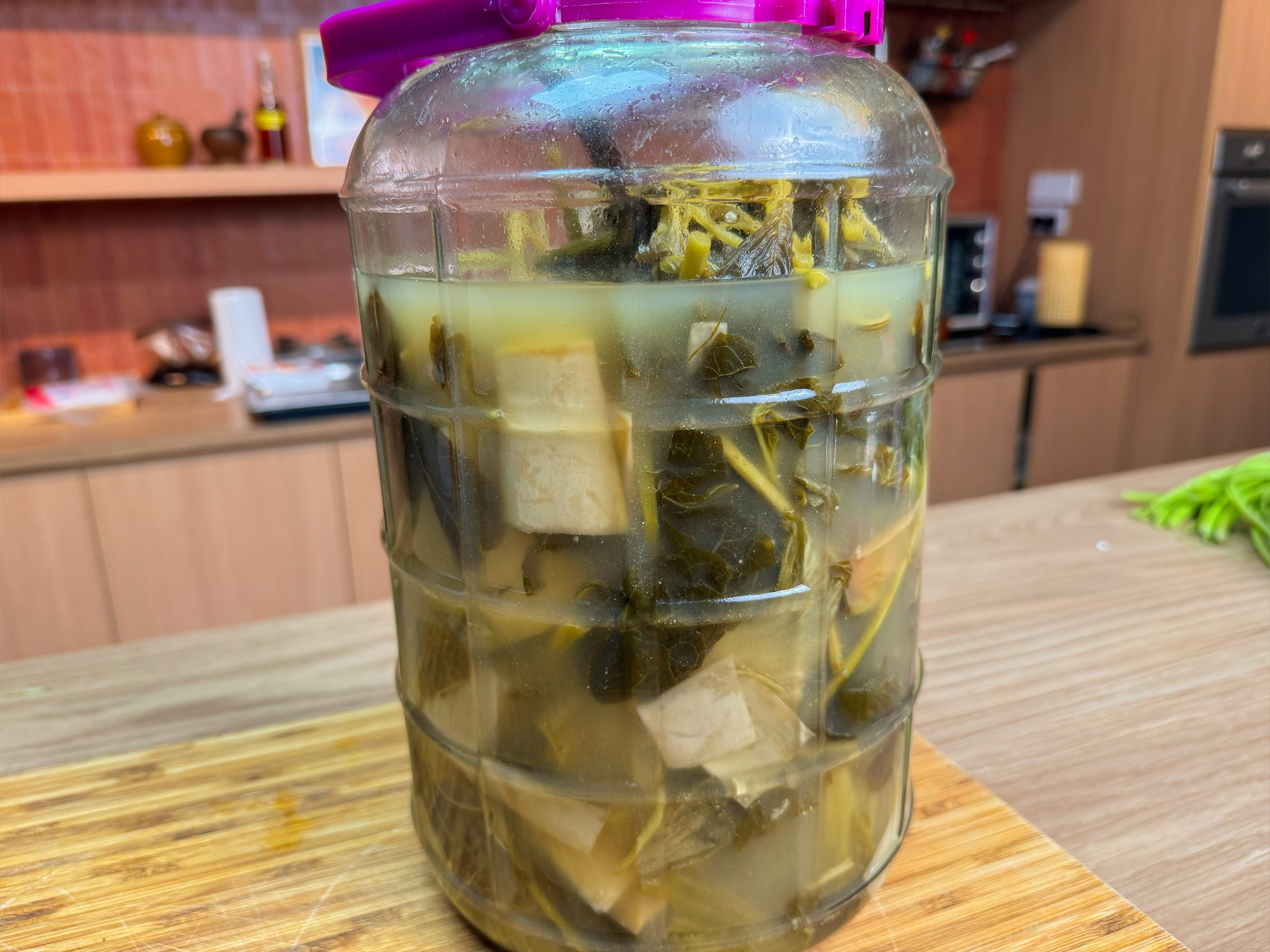
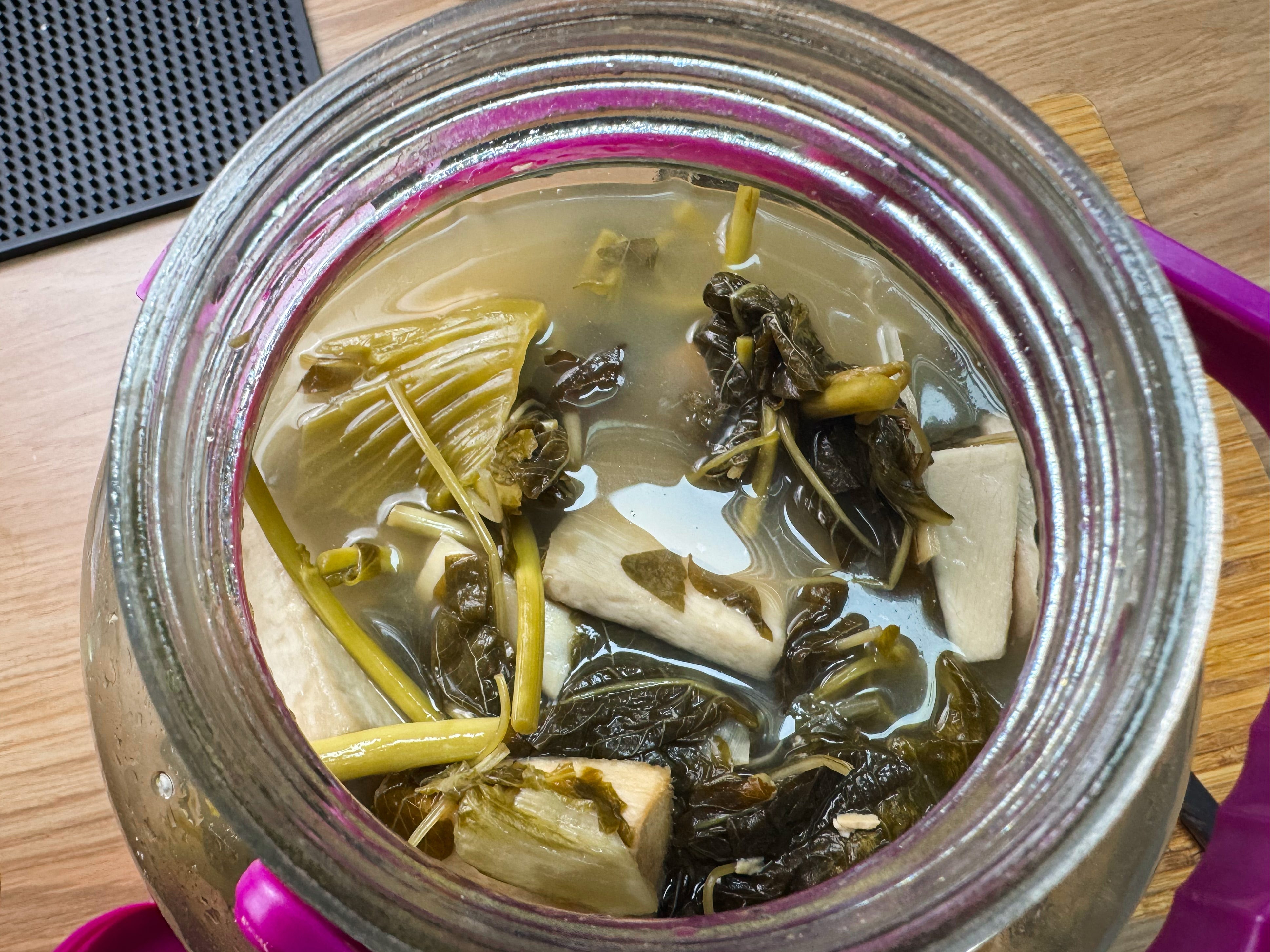
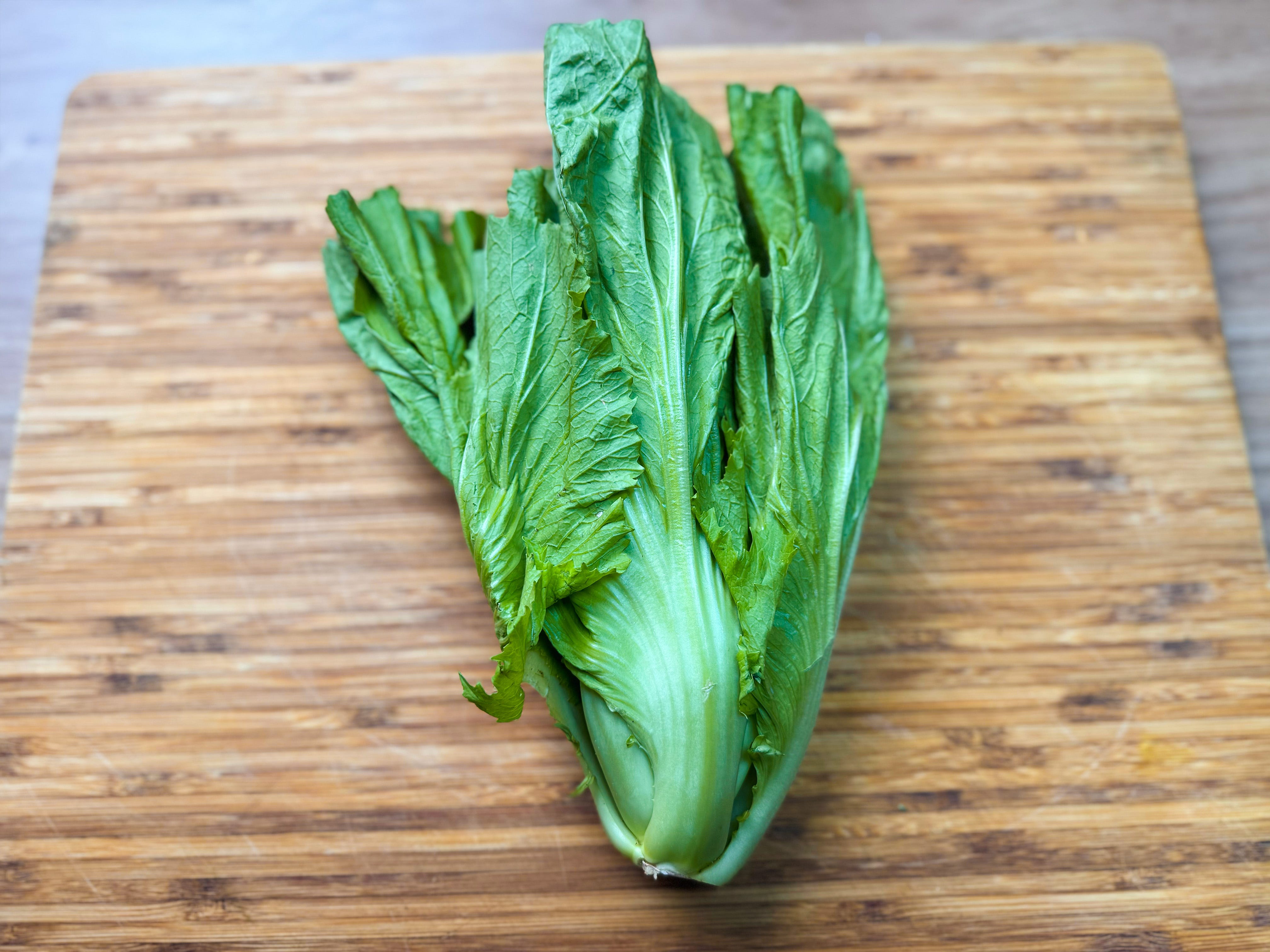
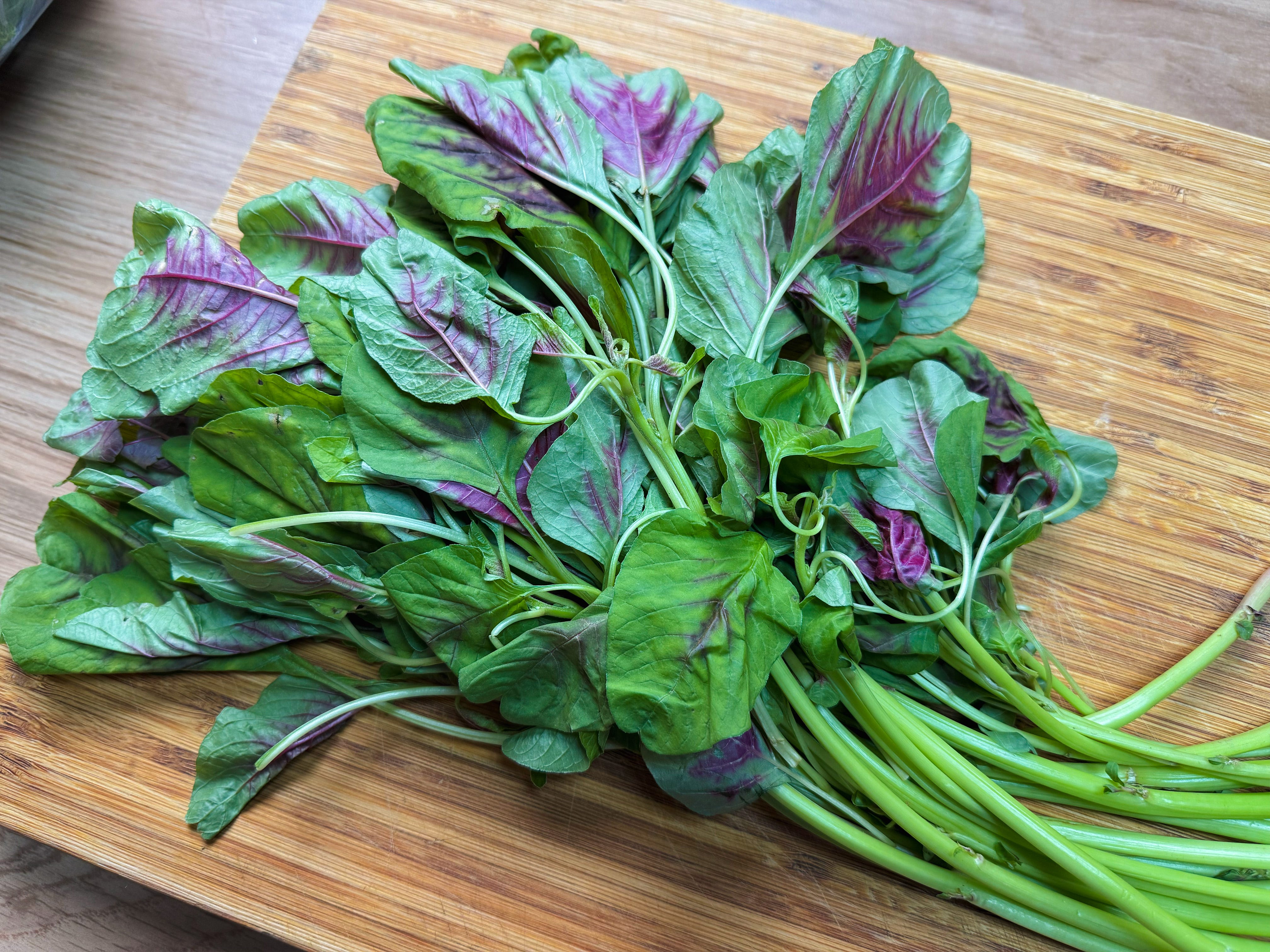
For my brine, I used Chinese amaranth, mustard greens & fresh bamboo shoots, chopped into smaller pieces. You can also use fermented bamboo shoots, depending on the style you’re trying to recreate. The amaranth was particularly important. Amaranth, especially its stems and leafy material, appears in documented stinky-brine formulations and provides plant material that microorganisms can break down during fermentation. Research on stinky-tofu brines has found that prolonged fermentation of ingredients such as amaranth and bamboo shoots contributes to the development of the complex microbial and chemical environment that eventually gives the tofu its characteristic aroma.
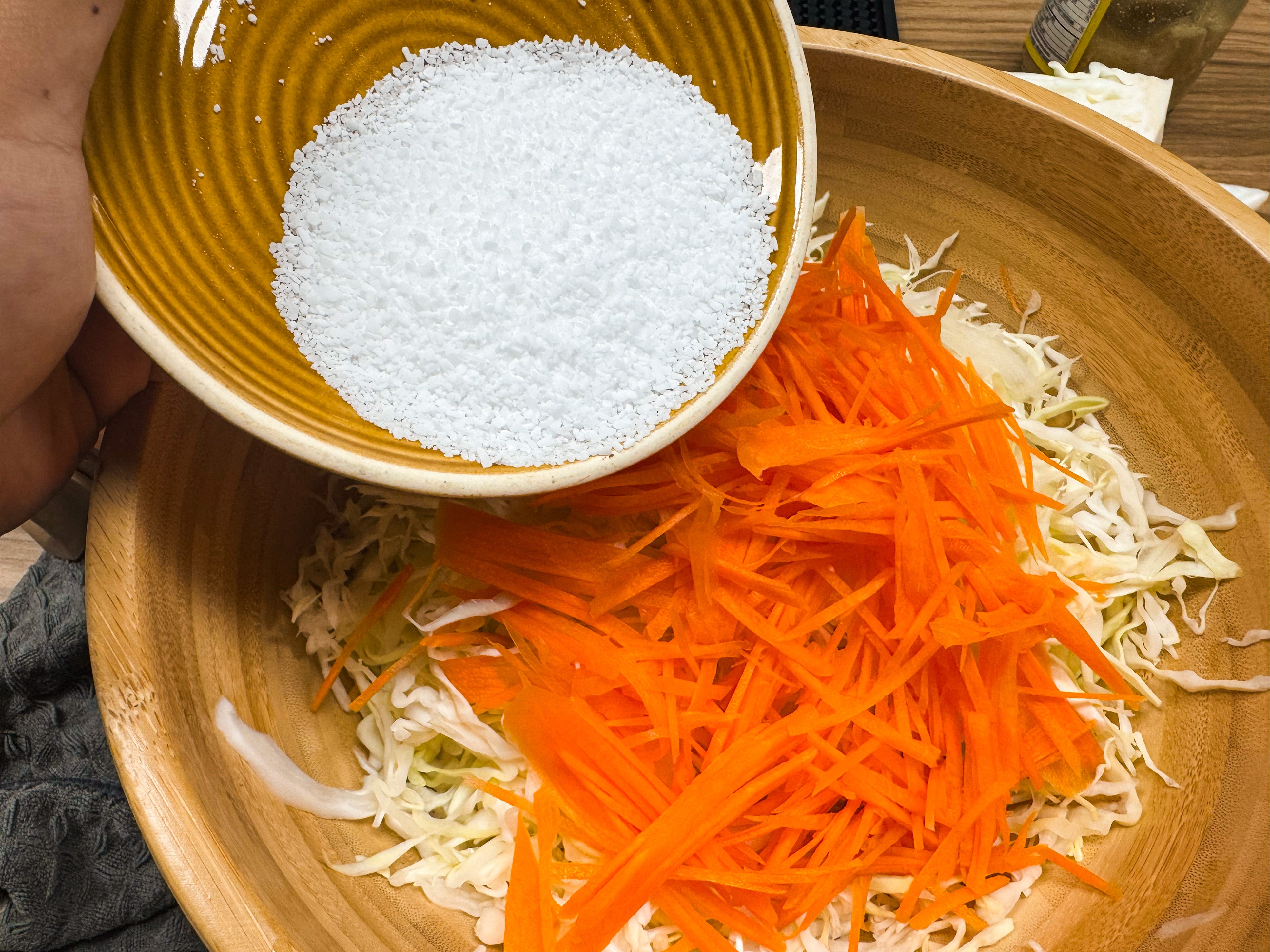
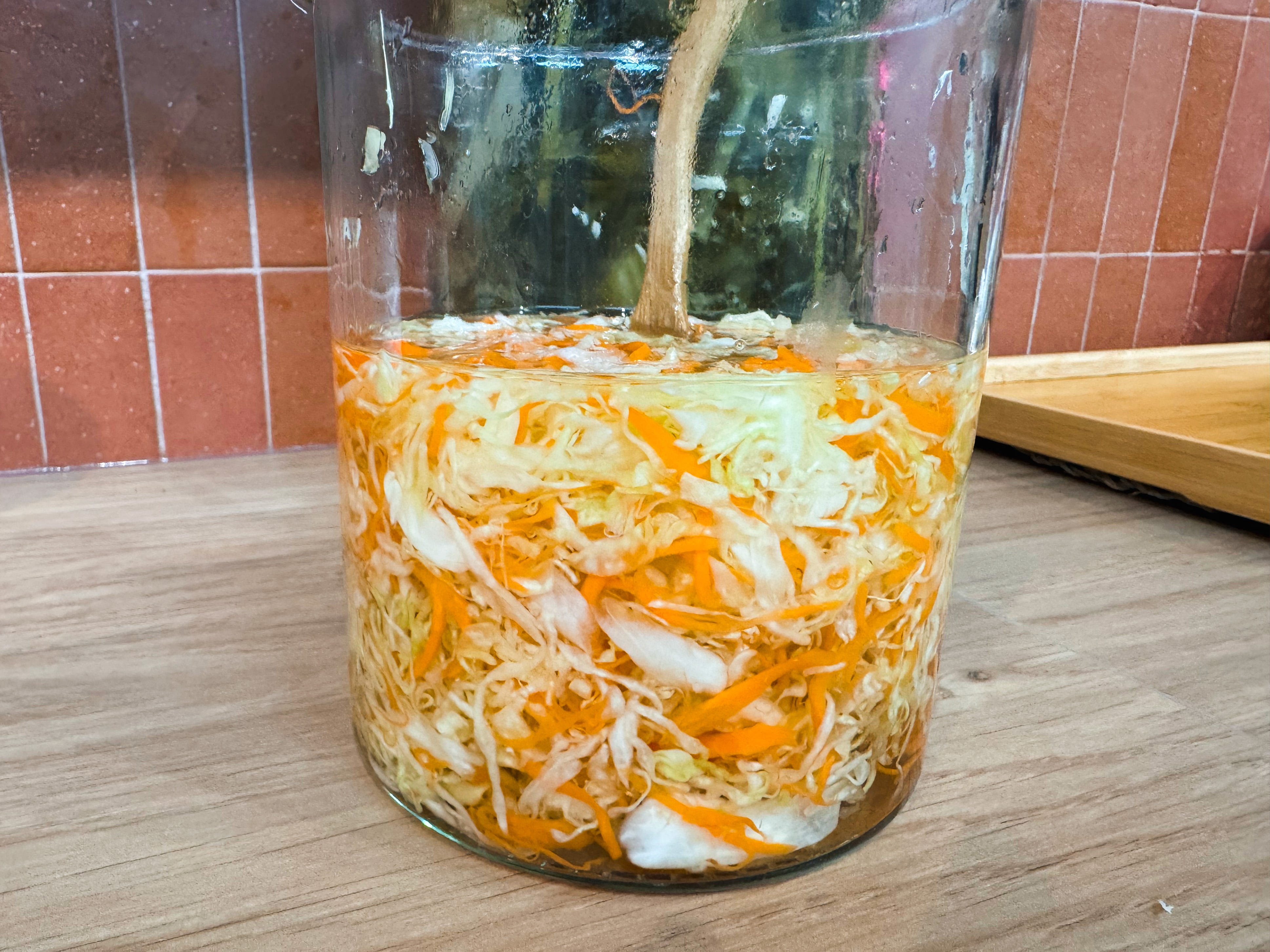
I washed the vegetables, chopped them up, and put them into a clean jar with filtered water. I also added some mashed up fu ru to kickstart the fermentation (with the microbes that are already present in them), I then worked with a salt concentration of roughly 2.5–3%, based on the weight of the water. Salt is important as it changes the environment and helps select for microorganisms that can tolerate it, while discouraging many unwanted microbes. As fermentation progresses, the microbial community transforms the ingredients and produces acids, gases and a whole range of flavour and aroma compounds.
THIS is where stinky tofu gets really fascinating. Scientists studying traditional brines have found that they contain a very diverse microbial population, including lactic-acid bacteria such as Lactobacillus, Lactococcus, Leuconostoc, Pediococcus and Weissella. Other research has found that stinky tofu and its brine can contain both bacteria and fungi, with the exact microbial community varying between different regions. In other words, there isn’t one magical “stinky tofu bacteria” responsible for everything. It is more like a microbial orchestra, and the ingredients, environment and fermentation time all affect what eventually comes out of it.
The smell itself also isn’t simply “rotting food”. Fermentation changes the chemical composition of the vegetables and tofu, producing a range of volatile compounds. Some are fruity, some sulphurous, some cheesy and some, well just happen to smell like the rubbish chute under your HDB. Some traditional brines are fermented for months, and there are documented brines that are maintained for much longer.
So I sealed up my jar, keeping it covered in a way that allowed fermentation gases to escape, and left it somewhere cool and dark. And then came the hardest part of the recipe: doing absolutely nothing. For an entire month, I had this jar sitting around slowly becoming more and more questionable. Every few days I’d check on it, and the smell would become progressively more assertive. At first it was just fermented vegetables. Eventually, it became something that made my mom start to nag to me about.
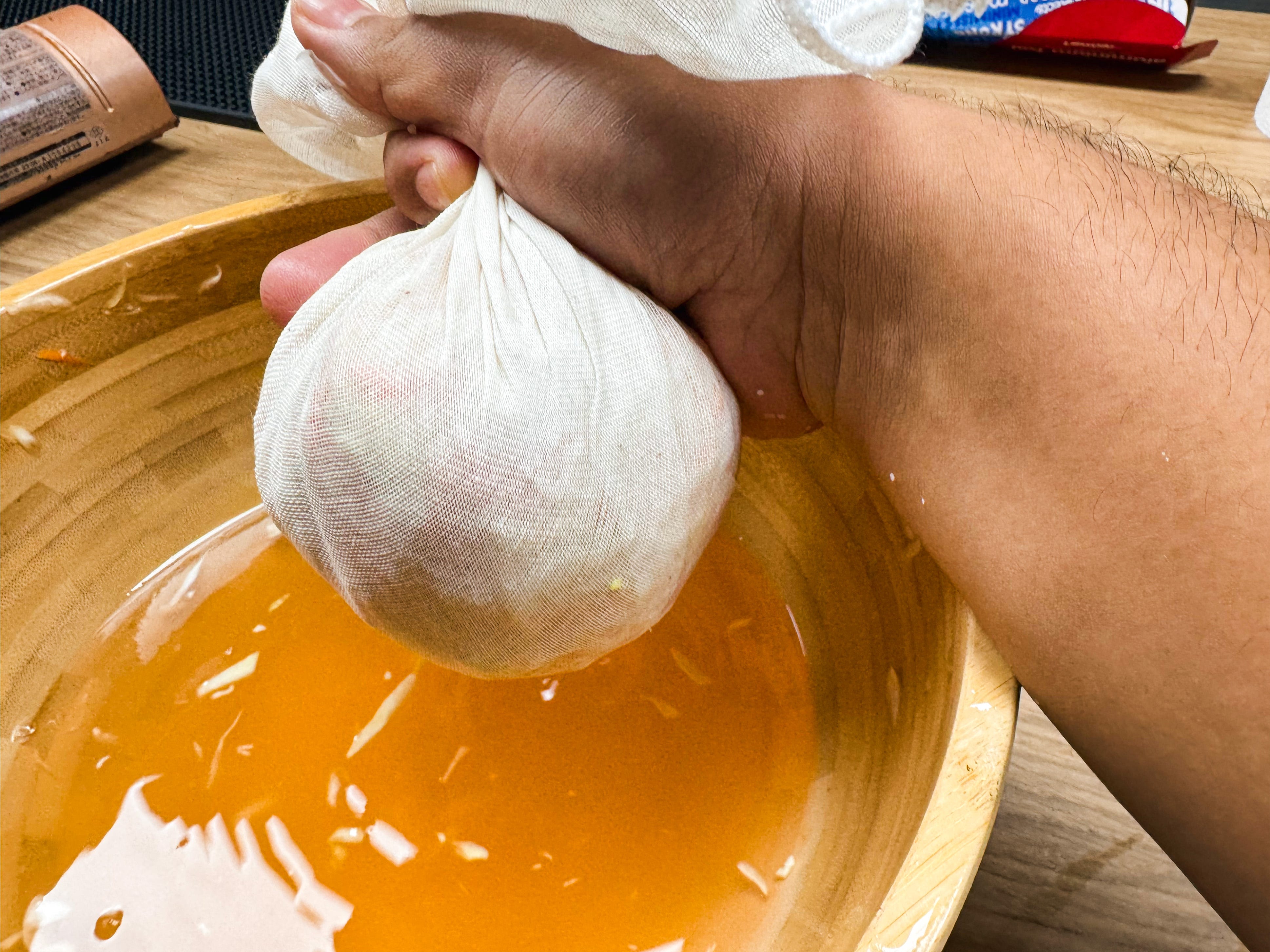
After a month, I had a cloudy, deeply pungent liquid that smelled considerably more like the stinky tofu I remembered. I strained the vegetables out and finally had my master brine.
However, I wasn’t happy with the tofu itself either. My first batch of firm tofu (tau kwa) was too soft and dense. It didn’t have that slightly chewy, porous and akey interior I remembered from Taiwan, and more importantly, it wasn’t absorbing enough of the fermented flavour. So I decided to use a little tofu hack that has nothing specifically to do with stinky tofu but makes a huge difference when you want tofu to absorb flavour.
I put tofu in the freezer overnight and then let it thaw completely before squeezing out as much water as I possibly could. The tofu suddenly develops this strange, almost sponge-like texture. That’s because the water inside the tofu freezes into ice crystals, which disrupt the protein structure and leave behind little pockets once the tofu thaws and the water is squeezed out.
Those little holes give the fermented brine more places to travel into, rather than leaving all the flavour sitting on the surface. Think of it like turning your tofu into a little sponge.
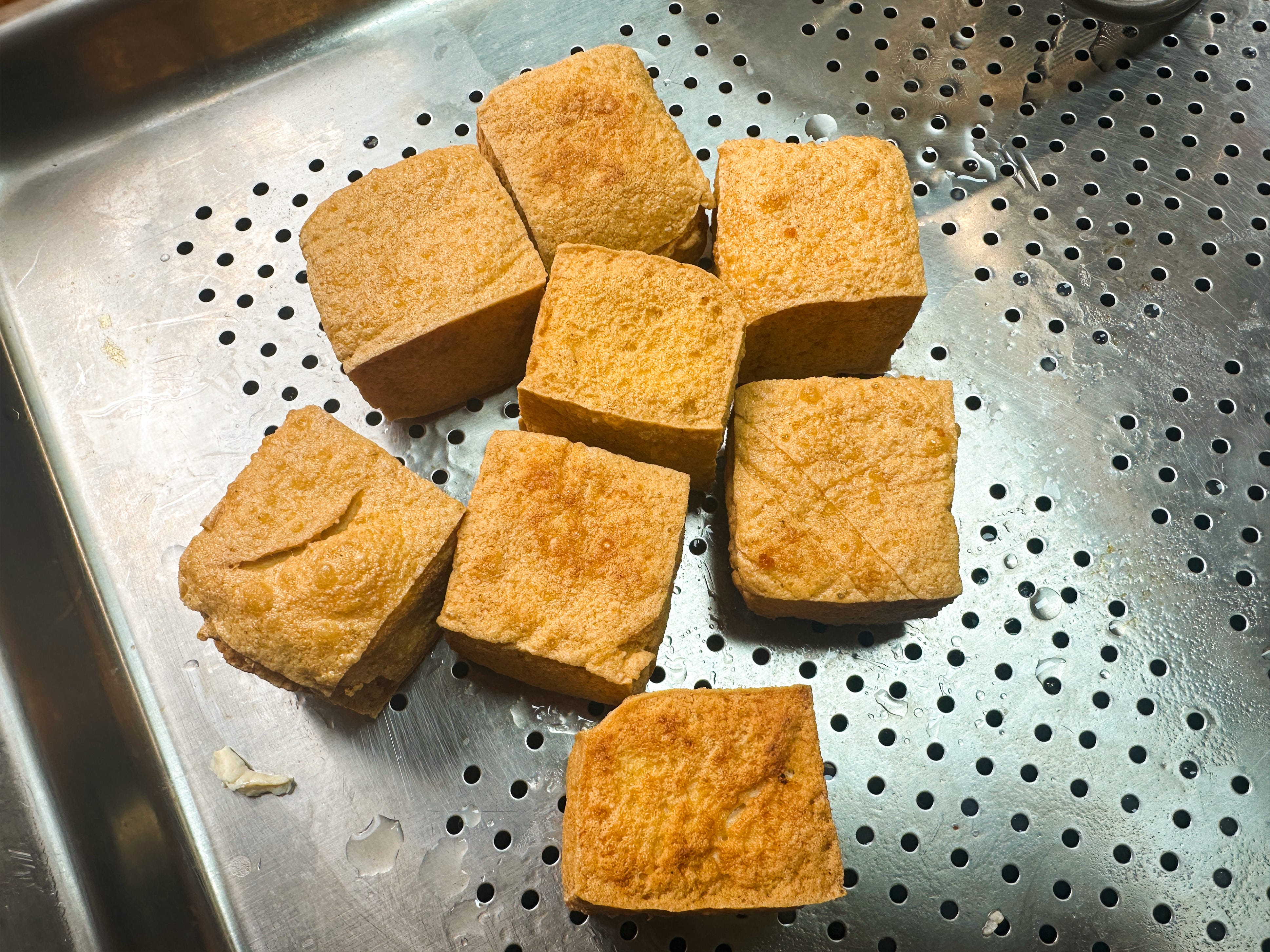
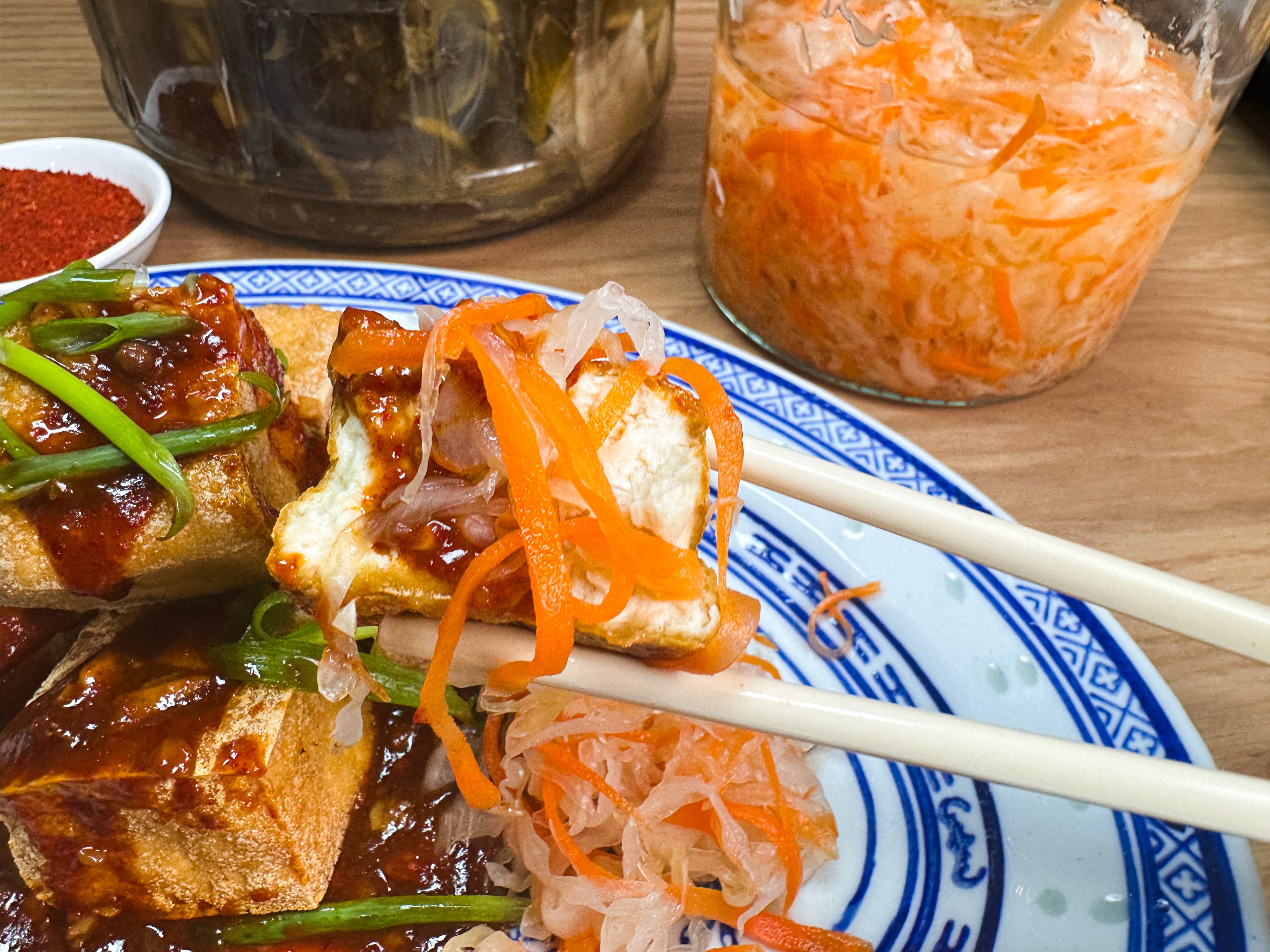
After submerging, the spongy tofu in the brine for 3 days to soak up the smelly flavour, I took it out, gave it a gentle rinse and dried it thoroughly before dropping it into hot oil. As the tofu fried, the outside became beautifully crisp and golden while the inside stayed soft and porous. More importantly, the smell was finally there. Not “shortcut fermented tofu” there. Not “slightly funky tofu” there. I mean STINKY TOFU there.
My entire kitchen smelled like pure garbage for about a week, but honestly, I was quite happy about it. After all that time, I had finally managed to make something that reminded me of the tofu I had eaten in Taiwan all those years ago.
Sharmin was the reason I had started this experiment in the first place, so I invited her over and put the finished tofu in front of her. After watching me spend an entire month cultivating what was essentially a jar of decaying vegetables, I needed an independent assessment from someone who actually knows and loves stinky tofu. She took a bite, and thankfully, SHE APPROVED! That was probably the most satisfying part of the whole experiment. I had started this because her video reminded me of a food I hadn’t eaten properly in years, and somehow that had led me down a month-long fermentation rabbit hole.
I still don’t think this is the final version. If anything, I think the master brine has more potential. I’ve kept it going, and I’m planning to let it ferment and develop for another 3-6 months before using it again. Perhaps the next batch will be even more pungent & the flavour might become deeper and more complex.
 Tiktok failed to load.
Enable 3rd party cookies or use another browser
