


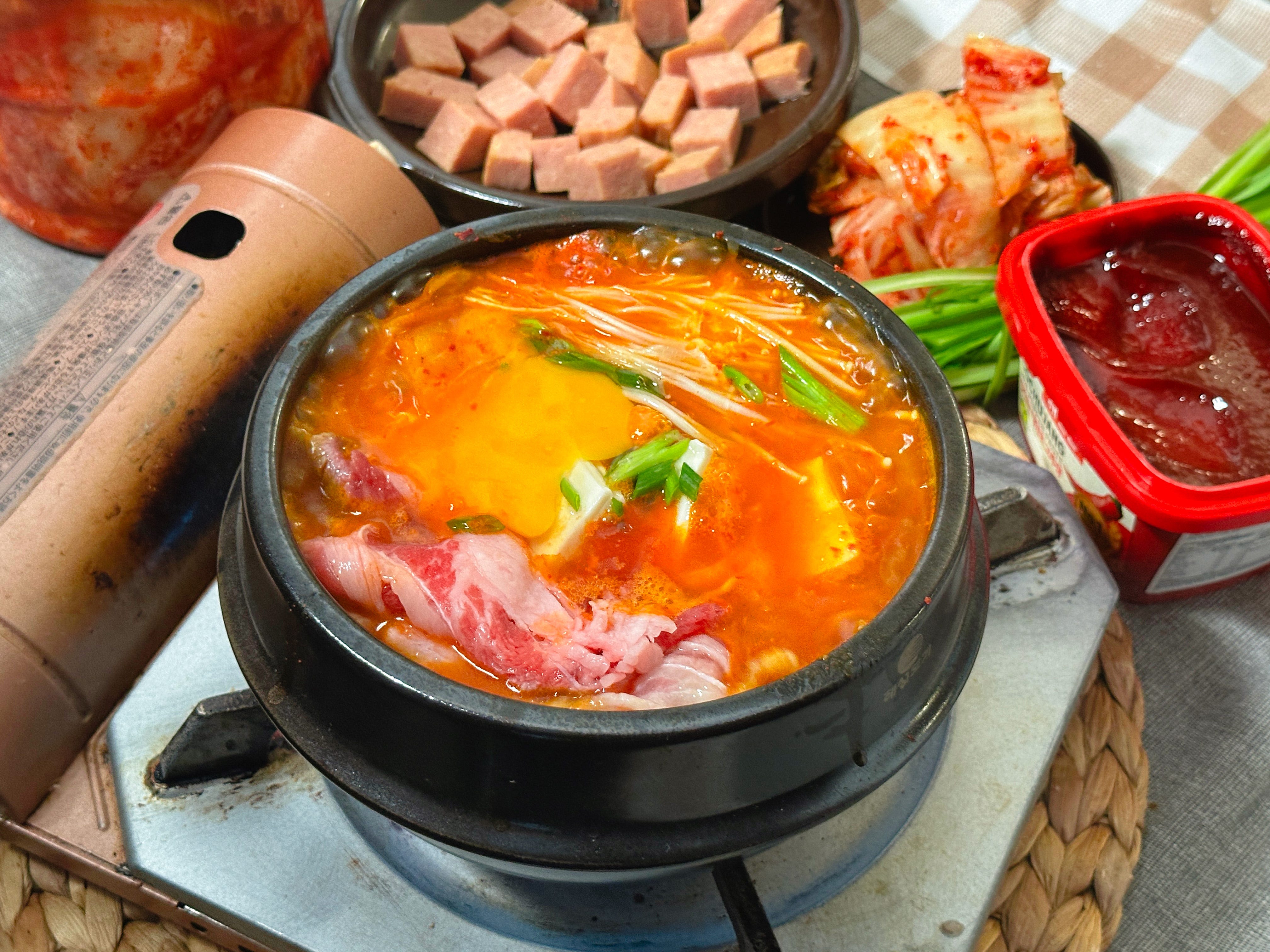
There was a period when I made a massive batch of kimchi and basically ate it with everything. Rice? Kimchi. Noodles? Kimchi. Leftover chicken? Kimchi. At one point, my blood was probably made of kimchi juice.
But honestly, having a big jar of kimchi in the fridge made me feel like I was eating really well. It was crunchy, spicy, sour, full of vegetables and somehow made even the most boring meal feel a little more exciting. And because kimchi is fermented, I also had the added satisfaction of telling myself that I was being healthy while eating something delicious.
The batch lasted me around six months, and by the end it had become seriously potent. The cabbage had softened, the sourness had intensified and the whole thing had developed that deep, funky fermented flavour that you just don’t get from freshly made kimchi.


That transformation is basically the work of lactic acid bacteria. These naturally occurring bacteria feed on the sugars in the vegetables and produce lactic acid, which gradually makes the kimchi more sour and creates an environment where many undesirable bacteria struggle to survive. As fermentation continues, the flavour becomes more acidic and complex.
And this is also where kimchi gets its reputation as a “probiotic” food. Kimchi can contain significant amounts of live lactic acid bacteria, alongside plenty of fibre and nutrients from the vegetables themselves. These bacteria may support the gut microbiome and digestive health, although exactly how much benefit you get depends on the kimchi, how it was fermented and how much you eat.
Which brings us to the increasingly popular idea that gut health affects the rest of your body. Your gut is involved in digestion, nutrient absorption and immune function, so it makes sense that what you eat can have effects beyond just what happens in the toilet. There’s even research looking at possible links between fermented foods, inflammation and skin health — although I wouldn’t start rubbing kimchi juice on your face just yet. Your skincare routine does not need a side of cabbage.
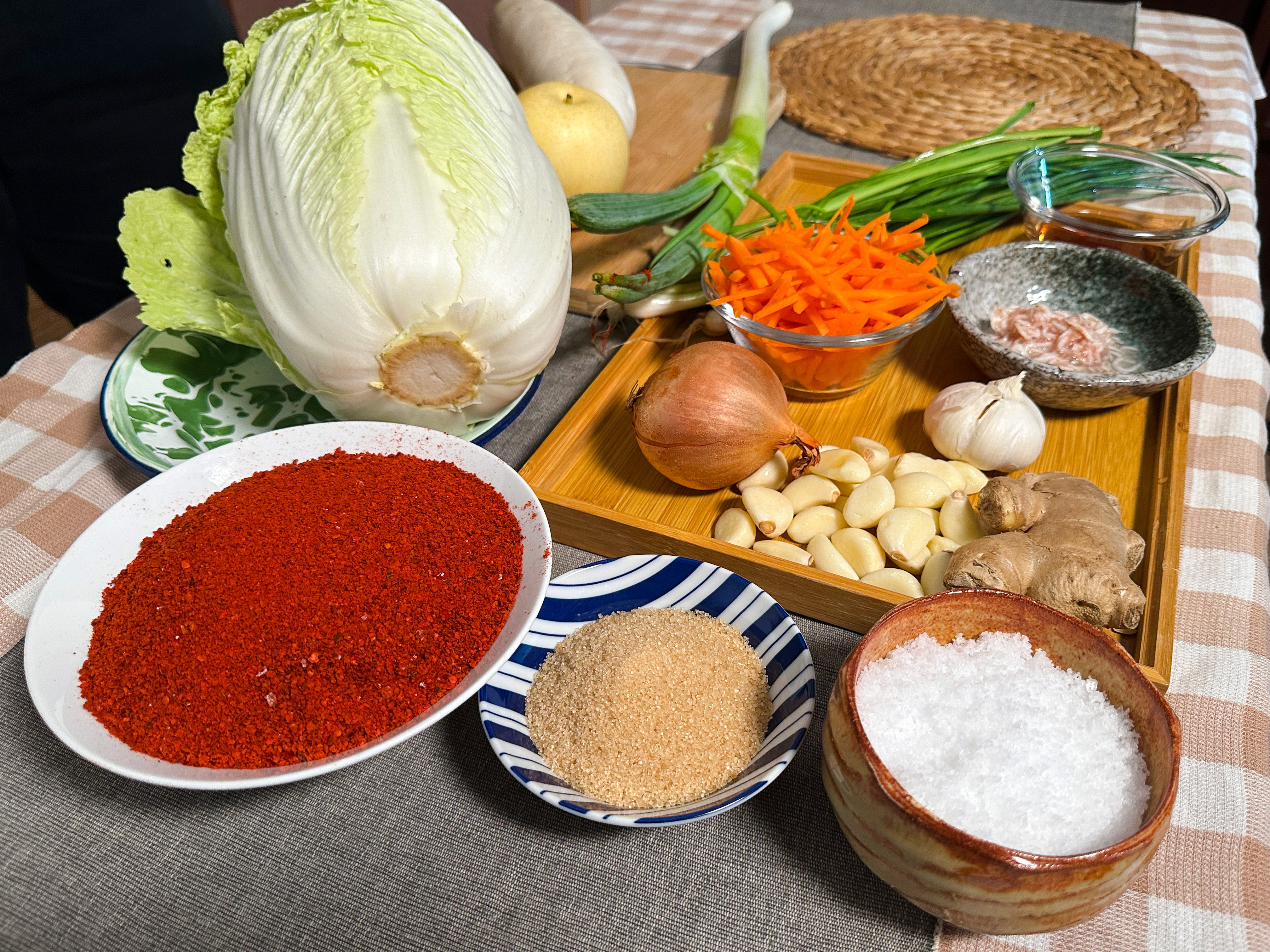
For this recipe, I wanted to make kimchi as uncomplicated as possible. There’s no flour paste, no complicated cooking and no need to spend your entire Sunday making a jar of cabbage. It’s essentially cabbage, seasoning and fermentation, with the process doing most of the work for you.
I also like making it myself because I get to control exactly what goes into the jar. Store-bought kimchi can be perfectly good, but depending on the brand, it may be pasteurised or otherwise processed for longer shelf life, which can affect the amount of live bacteria present. Making a fresh batch at home means you can choose your ingredients, control the seasoning and let it ferment to exactly the level of funk and sourness you like.
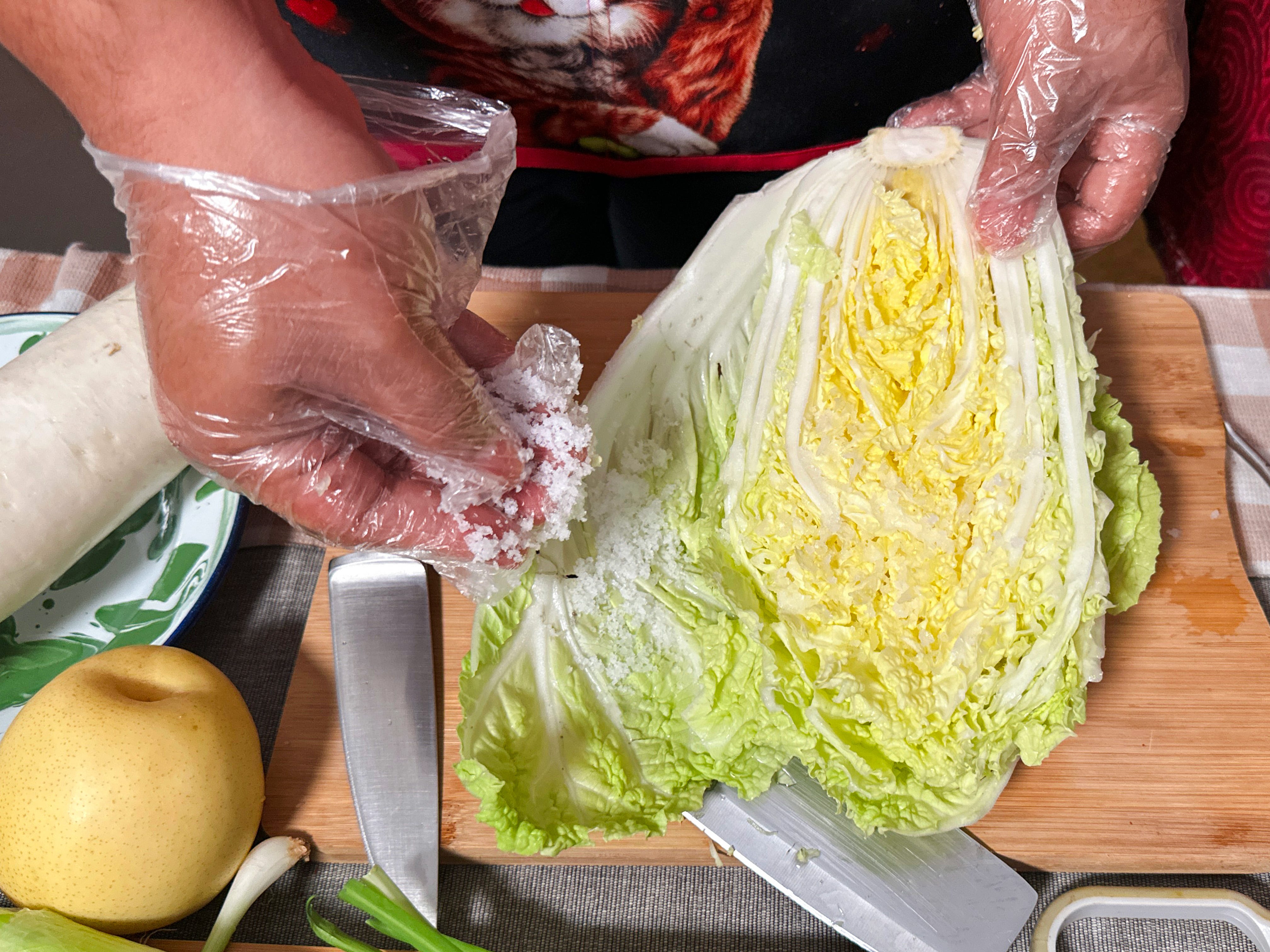
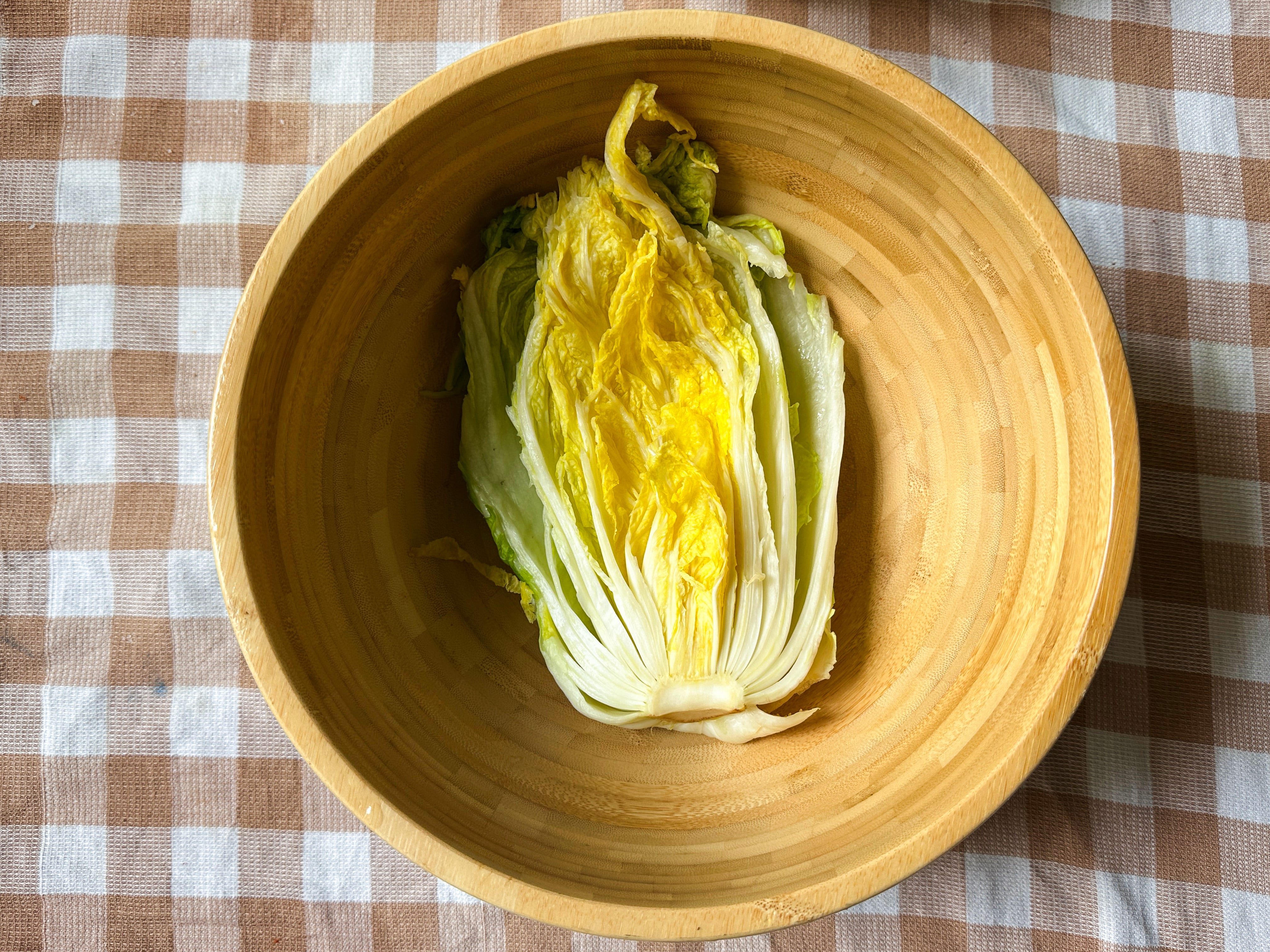
And perhaps the best part is simply having it ready in the fridge. A spoonful can turn leftover rice into something worth eating, add acidity to a rich meal, or give instant life to noodles, eggs, sandwiches and pretty much anything else that needs a little help.
So if you’ve never made kimchi before, this is a good place to start. Make a big jar, let the little bacteria do their thing, and suddenly you have a condiment that makes eating more vegetables feel less like homework.
 Tiktok failed to load.
Enable 3rd party cookies or use another browser
Basically: make kimchi once, and let future-you thank you every time you open the fridge.
click in the links to see where we bought our ingredients!: gochugaru, coarse sea salt, chinchalok
to learn how we turned this kimchi to kimchi jjigae, check out the recipe in the video below!: