


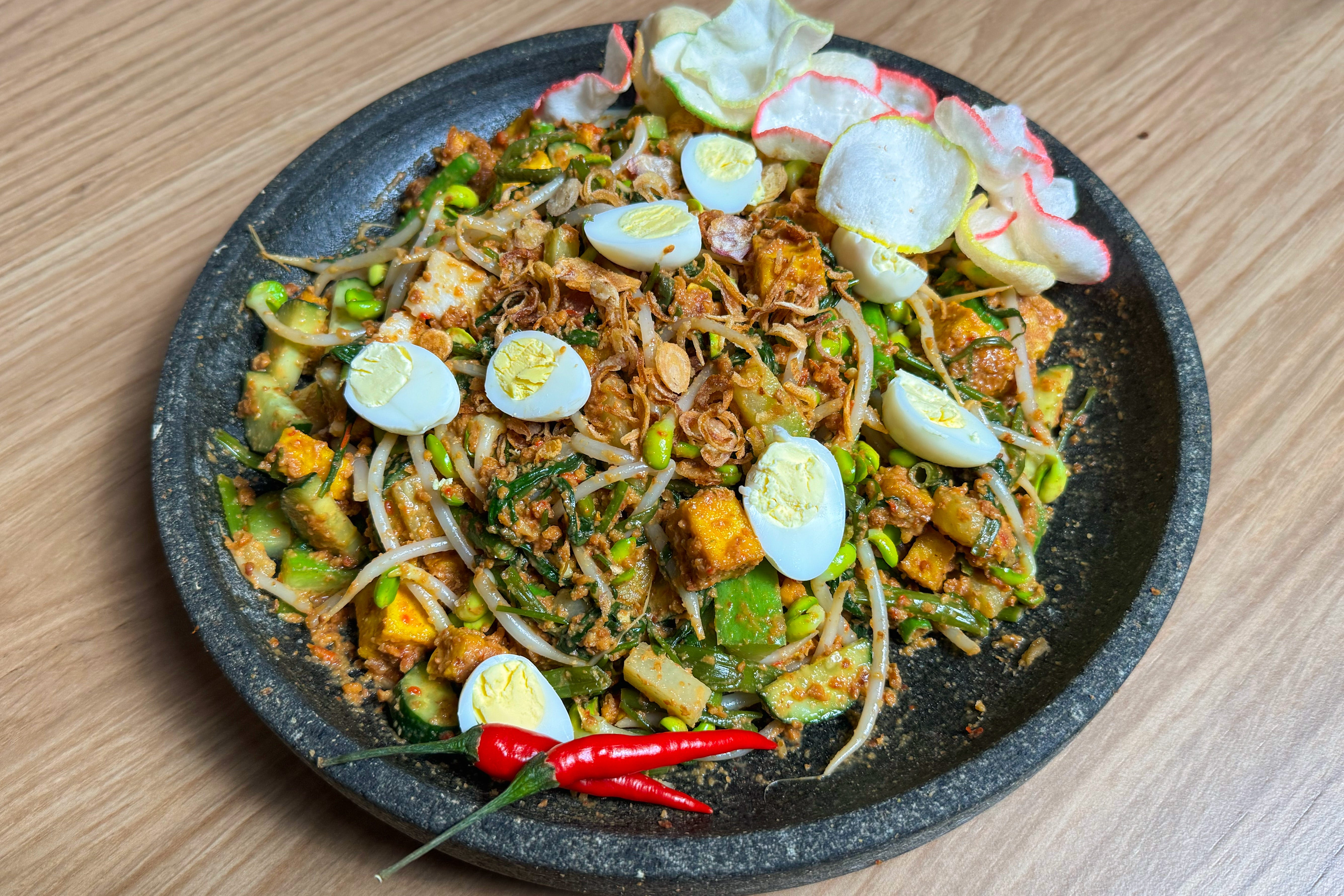
There are some dishes that make you realise how silly food borders can be. Gado-Gado is one of them.
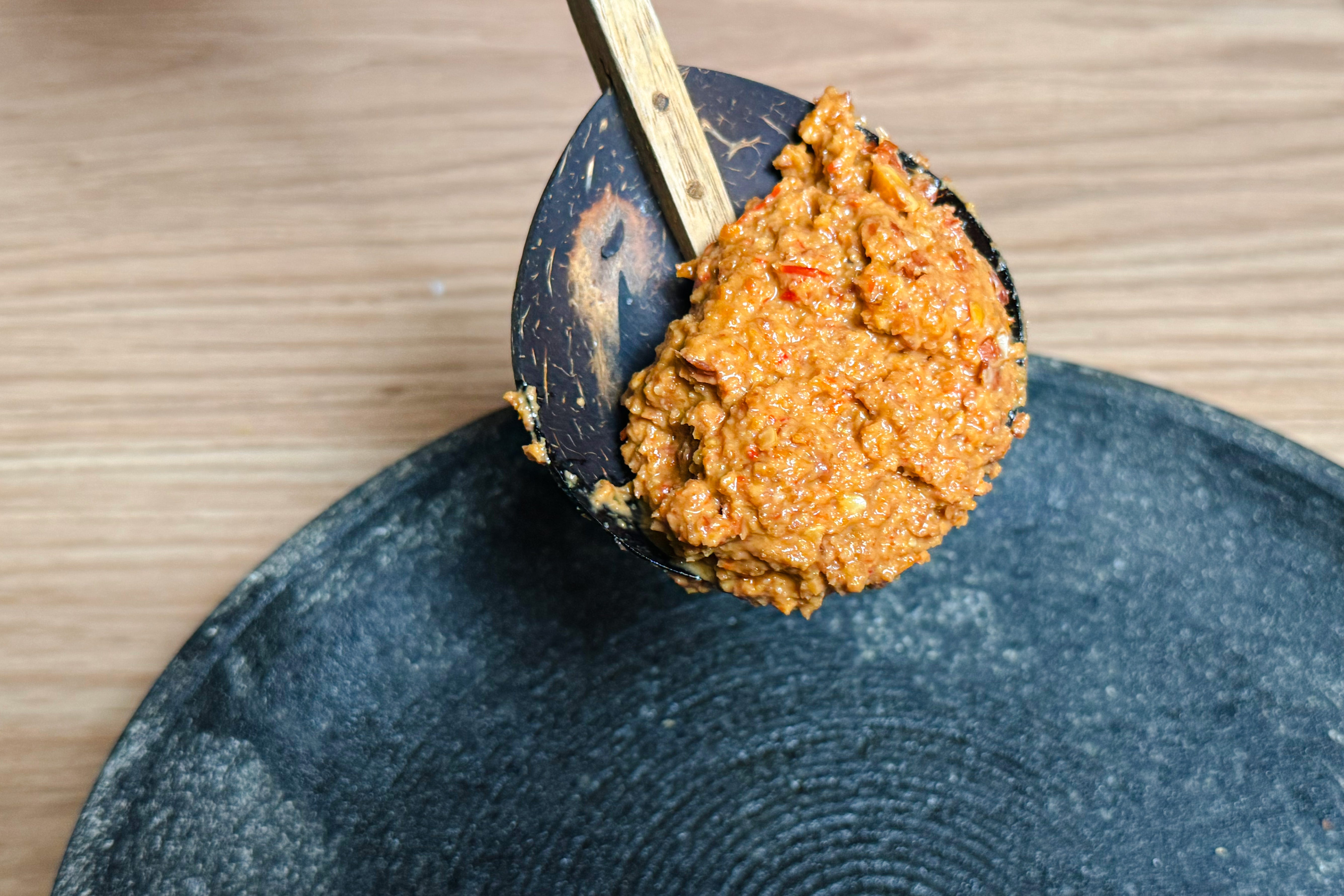
If you grew up in Singapore, you’ve probably seen it around: blanched vegetables, tofu, sometimes tempeh, potatoes and egg, all covered in a generous amount of peanut sauce. You’ll find it at some Malay stalls, Indonesian restaurants and hawker centres, but compared to nasi padang, mee rebus or ayam penyet, gado-gado still feels like the quieter kid in the class.
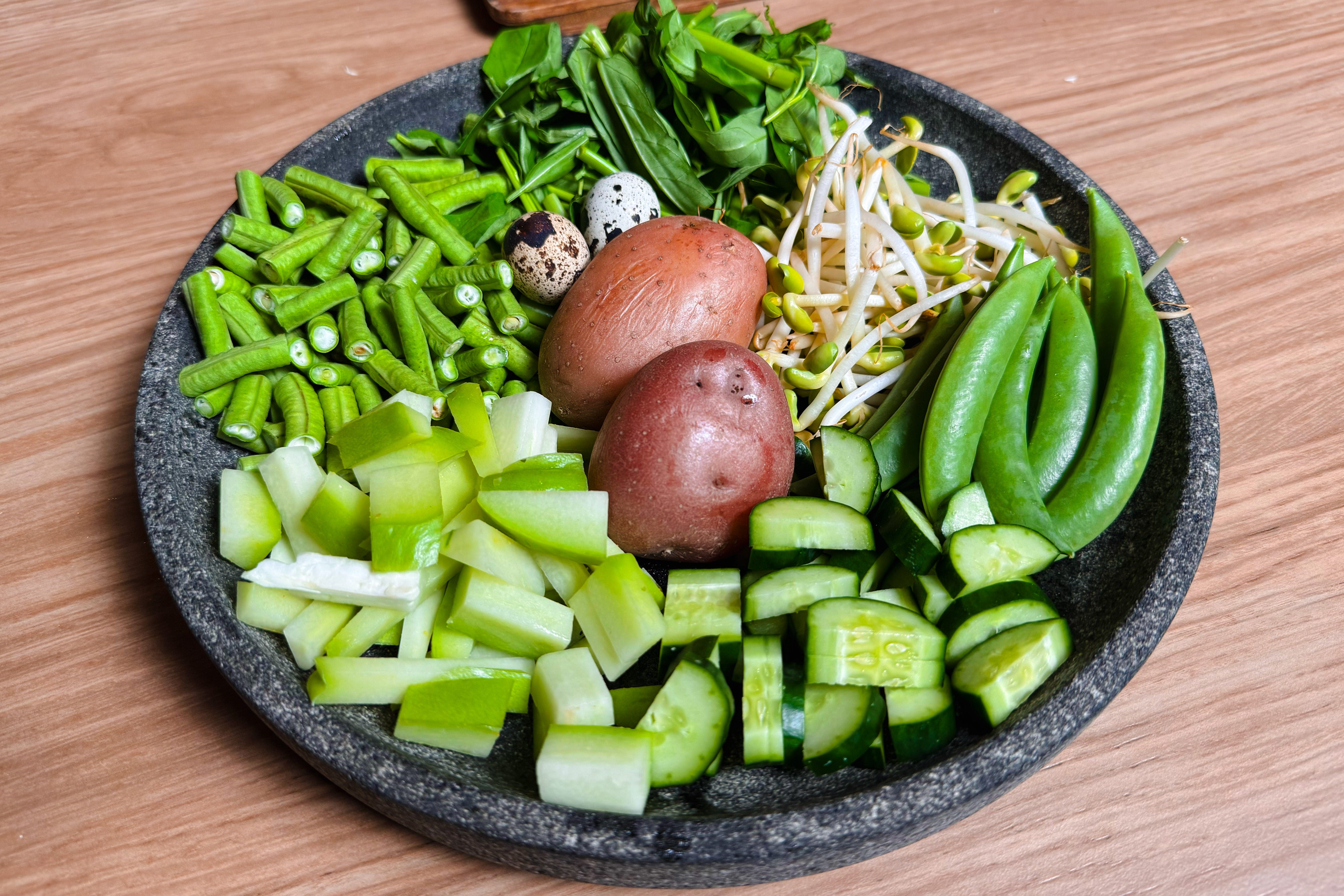
Gado-gado is generally associated with Betawi food culture in Jakarta, and which name, in Betawi Malay dialect meaning “mix-mix”. The Betawi term ‘digado’ also means to eat a meal without rice (in its regular steamed form, that is). There isn’t really one fixed recipe for this dish and depending on where you are, you might find cabbage, bean sprouts, long beans, potatoes, cucumber, tofu, tempeh and egg, all brought together with a rich peanut sauce.


Gado-gado has some pretty close cousins, with the most obvious is pecel, a Javanese dish particularly associated with Central and East Java. Like gado-gado, it brings blanched vegetables together with peanut sauce. The differences are that the sauce in pecel is usually punchier and involves sand ginger (kencur) whereas gado-gado sauce doesn’t. Gado-gado is also always served with lontong and also boiled eggs, whereas pecel is often eaten alongside steamed rice.
Then there’s also karedok, another West Javanese relative where the vegetables are served raw, giving it a much crunchier, fresher character.
Whether gado-gado directly evolved from pecel is harder to say. What is clearer is that these dishes belong to a much bigger Nusantara tradition of pairing vegetables with intensely flavoured peanut sauces. Pecel itself has a much older documented history in Java, with references going back centuries.
And these foodways didn’t exactly stay in Java.
We actually have evidence of gado-gado being known in Singapore decades ago. A Malay cookbook, Memilih Selera by Siti Radhiah published in the 1953 included gado-gado alongside a whole collection of recipes from the wider Nusantara, suggesting that it had already entered the culinary vocabulary here, even if it never became quite as mainstream as some of its other Indonesian cousins.
And maybe that’s why I find gado-gado so interesting. It sits somewhere in that wonderfully blurry space where Nusantara food becomes Malay food becomes Singapore food, with it being a symbol of the culinary connectedness within the region - and how the different recipes of gado-gado in Singapore shows how culinary traditions are still evolving.
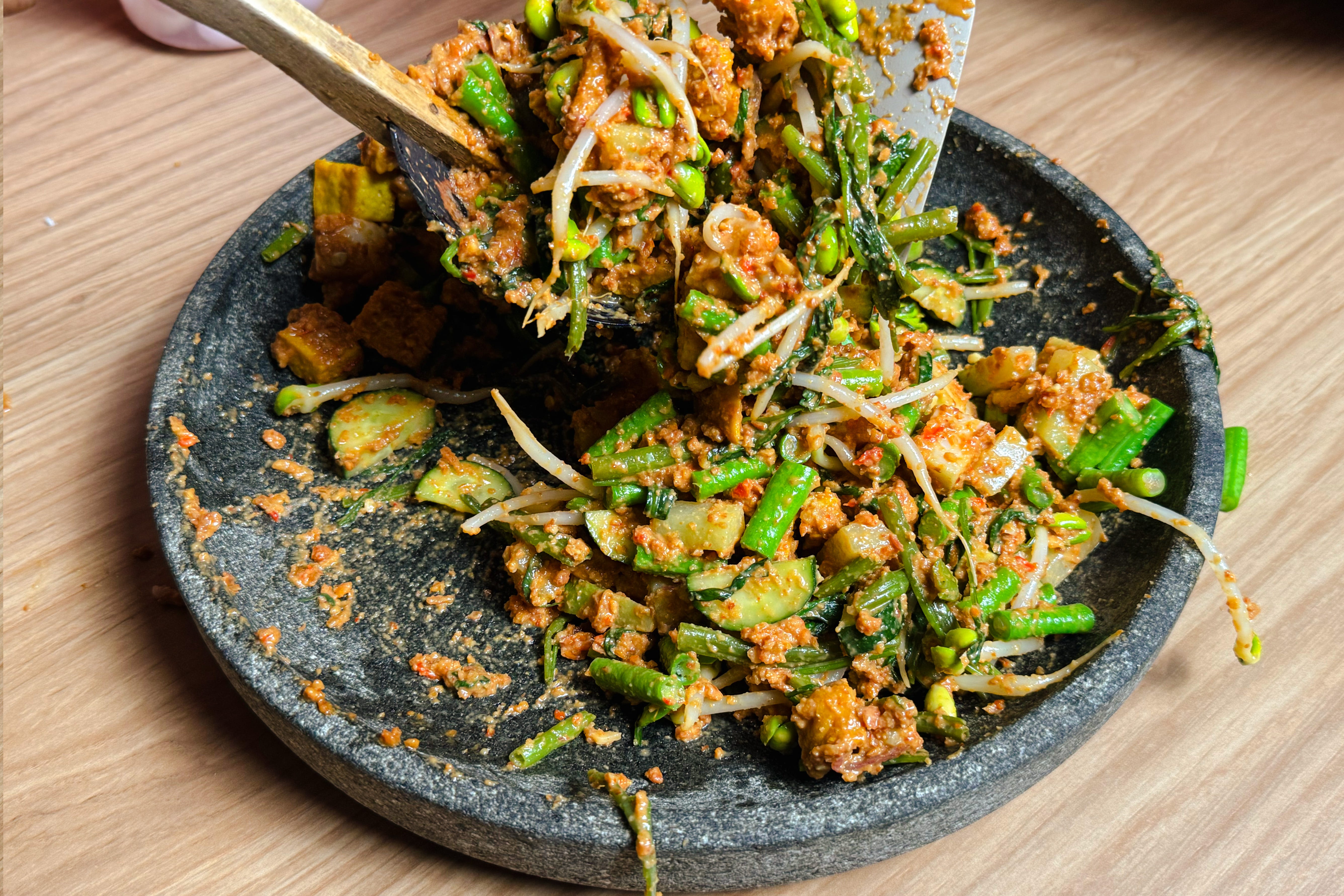
For my version, I wanted to lean into that flexibility even more. So I used vegetables that aren’t necessarily the usual suspects, including soybean sprouts instead of the more common mung bean sprouts, as well as snow peas. The point wasn’t to reinvent gado-gado for the sake of it, but to show how adaptable the dish can be. If you have vegetables sitting in your fridge that need some attention, gado-gado is basically an excuse to throw them all together.
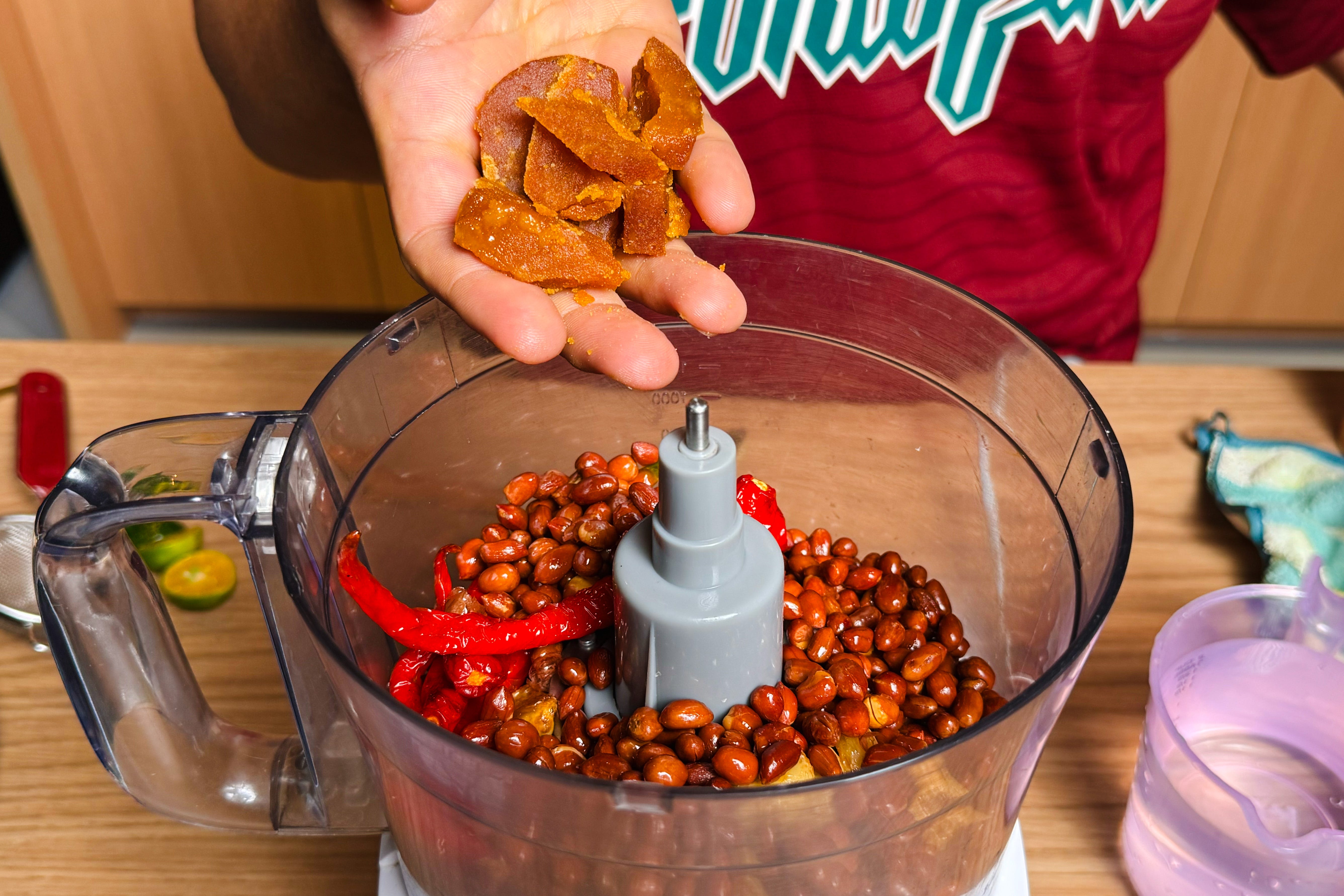
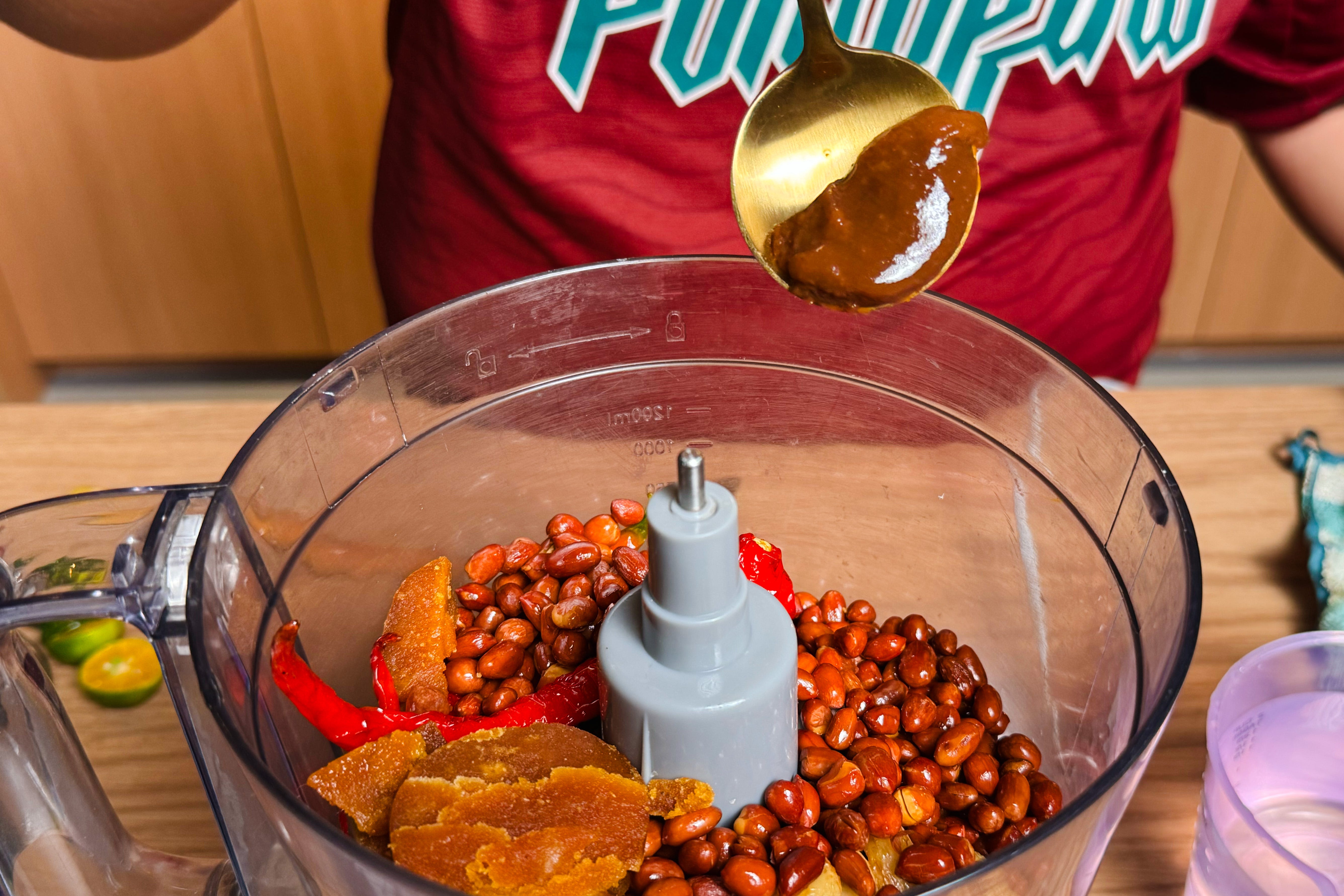
And this is what I love about it: it's mostly vegetables, but it never feels like you’re being ‘punished’ for trying to eat more of them. The peanut sauce is doing a lot of heavy lifting here — salty, sweet, nutty, spicy and savoury — but it’s not just about the sauce either. The tofu, egg, vegetables, crunchy bits and rice all bring different textures and flavours to the plate. It is the sum of all these slightly random things that makes gado-gado so good.
I also like thinking of gado-gado as one of my favourite ways of decolonising “healthy food.” So much of what gets presented to us today as healthy eating comes wrapped in a very Western ideas of healthy eating: quinoa, arugula, avocado toast, grain bowls etc.
Meanwhile, Southeast Asia has been putting vegetables, legumes, tofu and herbs together with deeply satisfying sauces for generations. We just never bothered giving it a $22 price tag and calling it a “nourish bowl.”
Gado-gado is a great reminder that eating more vegetables doesn’t have to mean eating sad food. Sometimes you just need a really good peanut sauce. So here’s my version — a little different from the traditional combinations, but very much in the spirit of ‘mix-mix’. Hopefully it gives you an excuse to eat a few more vegetables too!

 Tiktok failed to load.
Enable 3rd party cookies or use another browser
